
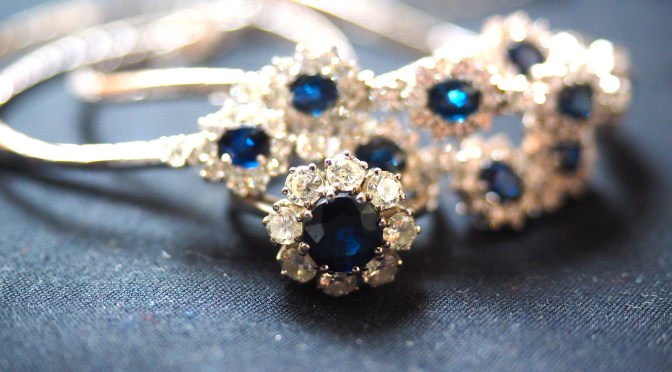
“You could be my silver spring
Blue green colours flashin’
I would be your only dream
Your shining autumn, ocean crashing…”
Apart from these lyrics by singer-songwriter Stevie Nicks in her song Silver Spring, silver didn’t really factor in my life until the weekend I undertook a two-day ring-making workshop with my parter in February 2007.
Under the guidance and encouragement of Sondi at her bushland studio in the Blue Mountains, Richard and I learned to cut, forge and connect this precious metal into lasting keepsakes.
The sterling-silver ring I made for him remains the only piece of jewellery I’m ever likely to create, whereas Sondi saw an innate skill in Richard and invited him back to learn more technique. This began his transition from chef to artisan.
Years later, when we started trading at artisanal markets and events, I picked up some of the language of silver jewellery in order to assist buyers. I came to understand the investment value of sterling silver, its enduring attraction as a precious metal, and the ancient art of transforming it into pieces that last a lifetime.
Now, ahead of Silver Spring, an entire season of silver jewellery workshops at The Makers Shed (the open studio Richard and I run at Deepwater in northern inland NSW), I’m revisiting what I’ve learned about this beautiful material.
A sterling job
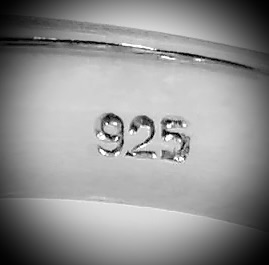
Unless they’re transformed into an alloy, precious metals tend to be fairly soft and malleable, unsuitable for everyday use. In the case of silver, when it’s refined into an alloy of 92.5 percent silver and 7.5 percent other metals (usually copper), it becomes sterling silver, one of the world’s most durable combinations, stamped with a 925 to denote its chemical makeup. The price for this strength is tarnishing, so one of the handiest extras to buy from your jeweller is a silver polishing cloth!
You get what you pay for
There are plenty of jewellery products on the market professing to be silver, particularly online. “Designed in Australia, made by hand in (insert country of your choice)” is a very common descriptor of silver jewellery that appears to be more affordable. As always: buyer beware. What you think you’re purchasing may not be what it claims, even if it’s stamped 925. In Australia, it’s illegal to use any precious metal stamp that does not match the chemical combination of the alloy. This is as good a reason as any to invest in local jewellery offered by a reputable artisan or jewellery business. You’ll need to pay more, but let’s look at why.
Silver stocks
Unless you’re trading in silver, you might be unaware that its a commodity listed on global stock markets. Not being an investor, I never really paid attention to the nightly market report, but across the decade I’ve co-run a silver jewellery business I’ve witnessed the dramatic rise of silver prices. Customer expectation for competitive retail prices for Richard’s work exists in the same economy as the ever-rising cost for his raw materials. It’s a testament to his love of what he does that his prices have not inflated at anywhere near the same rate as silver costs. That includes the sterling-silver he includes in the cost of his regular workshops.
Ethical source
Another reason for higher costs for silver jewellery created by Richard Moon is that he purchases raw sterling-silver materials from Palloys, a company that prides itself on the highest ethical and environmental standards in the production of a range of precious metal alloys. Their products are mined in Australia and refined in Sydney (where workplace governance ensures proper payment to workers in the supply chain), and a large component of their range is derived from carefully recycled silver. According to Chris Botha, operations manager at Palloys, the company is, “Australia’s only jewellery manufacturer that can trace its precious metal supply directly to its primary source.” Its reputation rests on a clientele that includes royal families, religious and sporting organisations, international banks and Australian artisan jewellers.
Pieces of the Moon
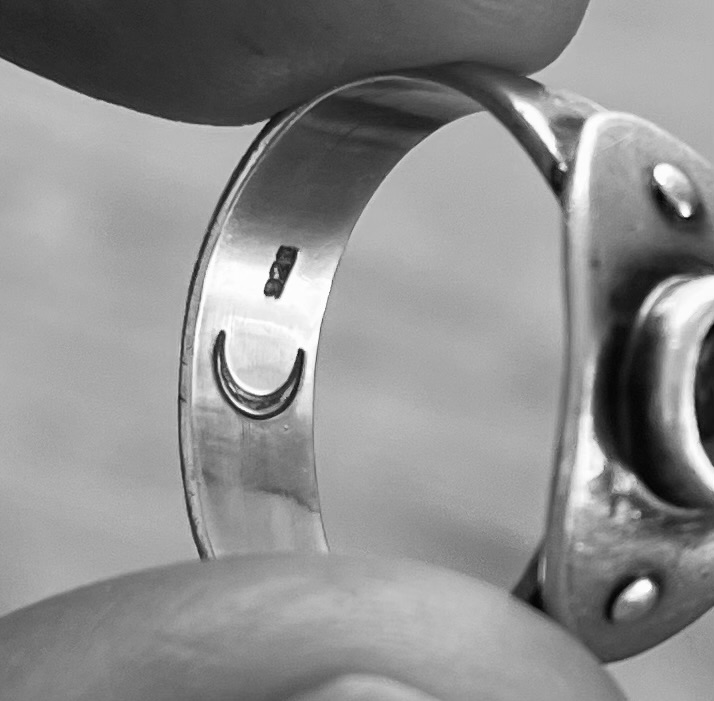
Those who’ve purchased a Richard Moon original, or been gifted one, will know that his maker’s mark very much represents his name. Every one of his pieces is stamped with a crescent moon symbol and, if it’s been created in sterling-silver, the 925 stamp will be somewhere very close by.
Silver Spring
So if you’ve taken a shine to silver, Richard is offering an opportunity under the banner Silver Spring for anyone wanting to learn a bit of silver-jewellery technique. The more workshops you book, the less you’ll pay. Book one place, or book several; bring a friend or come solo, you’re welcome to celebrate silver this spring!
Silver Spring with Richard Moon Wearable Silver & Silverware at The Makers Shed, Deepwater. Book now.

