
Category Archives: Write regardless!

Writer, join your tribe!

MANY writers struggle alone with the task of marketing. Writing an entire book is enough of a challenge for even the most experienced wordsmiths, so when we’re expected to run the marathon of multiple drafts, then turn around and create a publicity campaign for our work, we tend to stick our heads in the sand and hope like hell that something about our work will render all marketing efforts unnecessary. Here’s a refresher on how you should already have started marketing if you’re writing a book, and the good news is it involves interacting with other people.

Marketing from day one

Write, Regardless! has one fundamental message on marketing: to sell your book, you need to be actively promoting while you’re writing and packaging it. This process takes a degree of multi-skilling which is akin to juggling, but adopting it removes the terrible feelings of exhaustion that result from completing a manuscript only to find you’ve run less than half the marathon. Marketing starts on day one of writing a book, and, for as long as you want others to buy and read your work, it never ends. Break through this mental obstacle and you’re halfway to an effective marketing campaign.

Accessing word of mouth

The simple act of one person reading your book and recommending it to their friends is the oldest form of marketing in the world, and it’s still (relatively) free. Entire advertising industries are built on convincing people they need to part with their money in order to generate word of mouth, but the good news for independent publishers is that the social media is built to facilitate infinite word-of-mouth experiences. If you’ve come this far in Write, Regardless! and somehow decided not to build your social media web of fabulousness, you’ve got a lot of catching up to do.

Going tribal

It’s time to take your social media up several levels and find your tribe. Facebook, Instagram and Twitter offer sophisticated search engines. Take some time to seek out others who think like you. This could be political groups, social networks, or book clubs… anyone gathering for a common cause which relates in some way to the subject and/or genre of your writing. Sometimes these are closed groups, and you simply apply to join. Sometimes, these groups allow participants to post without permission, following a set of group rules and guidelines. Other groups are managed by an ‘admin’ person or persons, who you can send messages to, requesting they ‘share’ one of your posts. Admins have replicated the role that editors fulfil for news sources, aggregating content for group followers, and they are often hungry for relevant contributions. This is where you come in, providing articles that relate to, mention, provide extracts of and links to, your books. Never do the hard sell in these forums. The soft sell is generally more persuasive. Don’t tell me you can’t do this because you’re not a journalist: you are, and here’s how.

Tasting the spam

Platforms like Facebook and Twitter can be used autonomously by writers marketing books – you simply post material about your titles whenever and however you like. A small warning: many social media participants are wary of spamming; and you don’t have to do much for people to think you’re a spambot. Endless sales tweets or filling your Facebook timeline with posts about your books is a big turn-off for many social media consumers. It’s the social media, remember? The emphasis is on being sociable. You can market like those who hand out business cards at birthday parties, sure, but you’ll start to notice your number of followers dropping. Selling all the time is very one-note. Mix it up with content that is not about your latest book.
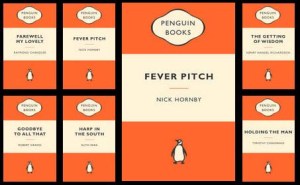
penguin_book_cover
PERFECT PAPERBACKS Penguin’s paperback brand has been a publishing success since the 1930s.

Branding like an expert

Independent writers can tend to overlook tried and true marketing tools, such as brand management. It sounds a bit cold and corporate, but writers who publish our own work need to keep half an eye on how it sits in the marketplace. Ever since independent publishing began, centuries ago, writers have published work in serialised form. Think of the success of Mills and Boon and Penguin Books as a publishing brands: readers know exactly what they’re buying (and they buy it often) plus they know how much they’re paying; there is a consistent look, length and format, and there will be more of the product to purchase in the future. Think about what you want to achieve with your writing. Do you have a series in mind? Could you visually link different titles with a similar design palette? Can you position yourself as an expert in the field you’re writing about?

Reading the marketplace

It’s easy for writers to forget about reading and consuming in the same marketplace we plan to sell product within. If we avoid bookshops and book reviews, we can quickly lose touch with publishing basics, such as the current price of eBooks and paperbacks, or the evolution of publishing genres and writing styles. Keep your book-lover’s antennae attuned for shifts in the book trade, and check the date of online articles you stumble across – years have passed since it was claimed eBooks would knock printed titles into oblivion, a prediction that turned out to be incorrect. The publishing industry, like all industries, moves the goalposts annually. What worked three years ago may not work now. If you want to write and publish, join the publishing industry and consume.

Hiring help

For some writers, running a marketing campaign is too much of an ask. They decide they have neither the time or the energy to promote their own work, and they seek to hire a publicist to generate sales. There is no standard fee for publicists, and the scope of their role varies, but expect to pay thousands of dollars. Some believe this scale of fees is justifiable since publicists are effectively selling access to a network of publicity that they’ve built over many years; but, as always, the onus is on you to be upfront about the cost, the terms and the outcomes. Do your homework and ask for references and testimonials before paying for a publicist’s services: you may well be hiring someone who is an independent author like you making a sideline income. Always create a contract with a publicist, laying out the parameters of the agreement, and hold them to account.

Deciding what ‘success’ means

It’s been my experience that independent publishing success means different things to different readers and writers. There are few benchmarks outside the usual ‘bestseller’ lists, so it’s helpful for independent publishers to set the bar for ourselves by deciding what we view as successful outcomes. For me, gaining independent reviews and mainstream media coverage for my titles means I have succeeded in doing all that I can to promote them in the marketplace. When I have placed my paperbacks with major city bookshops, I feel I have succeeded in putting them in the pathway of readers. Anything less, for me, does not feel like success. Work out what success will mean for you, and keep it realistic and measurable. This will help when you’re feeling challenged by what you have started, and I assure you there will be many such moments.

Bookish friends

Many aspiring authors get onboard the book trade with a literary side hustle that can generate word of mouth about their publications. Some create a podcast, platforming authors and their books. Others (like me) start a writer’s festival. Many writers are the brains and heart behind a local independent bookshop. Why limit your involvement in literature to merely writing? Dive into another facet of the industry. It will lead to business and personal connections with other authors, publishers, distributors, festivals and publicists.

Recap

Independent publishers do not operate in isolation, we are part of an international network creating product for a hungry audience that is increasingly diversifying the ways it accesses books. Replicate what has already worked for that industry through branding and word of mouth. Join the club by ensuring you buy, read and review books. Participate in social media groups and networks, not just by promoting your work, but by promoting the work of others too; and develop a literary side hustle. Decide what will make you feel successful, and share that with your readers – they love knowing when the risk they took on you pays off!

An extract from Write, Regardless!

© Michael Burge, all rights reserved.

Writer, don’t rest!

“You’re a writer, right? Keep it up.”

SO, you’ve completed multiple drafts of your manuscript, you’ve reworked its plot and tweaked its narrative, and it’s been sent to beta readers to see about its readability. You’ve done the work. Excellent. Here’s a list of things to be getting on with while your book is off your desk.

Write another book

Writers are always getting ideas, and the chances of finding inspiration for more books while writing one is very high. Act on that motivation by sifting through ideas for what’s got legs. Now that you have one book being read, maintain your regular writing schedule by getting another manuscript down. You’re a writer, right? Keep it up.

Second book syndrome

Invariably a malady of high-maintenance, traditionally-published authors who find their creative well has run dry with all the attention, ‘second book syndrome’ strikes when writers have too much thinking time and allow their writing schedule to go by the wayside. Instead of indulging in a round of writer’s angst, a good fix is to just start writing again and never allow space for this first-world problem to get a grip. If you’re keeping up with Write, Regardless! you’ll know that a regular writing schedule is a must. What better way to avoid second book syndrome than to have one written by the time you’ve published your first?

How’s your list looking?

No book publisher in the world prepares just one title and focuses all their attention on marketing it. All publishers, large and small, release annual lists of titles. If you are heading for the independent publishing pathway, you’ll need to publish a list. If you plan to persist until a publisher accepts your manuscript, you’ll need more books in the pipeline, in fact their very existence may sway a publisher’s view of your viability. Readers love to be loyal to their favourite authors. When they find you, ensure you have a list of titles on offer.

Get reading

Even better, beta read for another writer, there really is no better way to see how plot and narrative work. When they say that good teachers learn as much as their pupils, this is what they mean: reading another’s manuscript will shine a strong light on your own. Spend some time reading published books. With your new writing knowledge, you’ll probably learn something fresh from an old favourite, or you may notice how the ‘latest, hottest thing’ in the book trade is not all that hot or new: maybe the writer is simply adept at good plotting and narrative, and found original ways of utilising established storytelling techniques. Reading will show you how far your writing has come.

cardsCards close to your chest, writer!

The great temptation, in this isolating, internet-driven world, is to tell everyone you’ve finished writing a book and bask in the encouragement your peeps are bound to bestow on you. There is nothing more dangerous for the emergent writer than this kind of public display. It builds an expectation of you and attracts the inevitable question: “So, what’s your book about?”, which you might be prepared for, but will take a chunk of self assurance out of most writers each time it’s asked.

A brainchild is born

There are times and places to share the news of a book’s birth. Join a writer’s group and let everyone know of your completed manuscript (a great way to find beta readers); or tell select friends who respect your creative boundaries (but be very sure they do). If you are planning to independently publish your book, you’ll eventually need to make an announcement to your social media network, but now is just not the time, when you don’t even know for sure what the book will be called. Don’t confuse manuscript completion with the start of a book’s marketing campaign. For now, just keep marketing yourself as a writer in your fields of expertise. Readers will assume you have books in the pipeline.

Extend your networks

By now, you should have a growing social media presence, fed by your regular online articles. During this process, you’ll have naturally seen and read work by other writers, published in other networks. Set aside some time to research and send your work to these websites and social media feeds, particularly if they are linked to your subject matter.

Offer articles for free

“Focus your energies on creating more work and increasing its reach.”

The people behind websites and social media groups (who sometimes identify themselves as editors) will appreciate an approach from a writer offering free content, which is as simple as them sharing your posts. Some feeds will allow you to self post while following a set of group guidelines; others will offer you access as a site author or ‘admin’. Ensure your work is quality journalism and always has a link back to your website or social media assets, which will allow readers to find you, follow you and therefore access your published works down the track. The value of your posts being published is not in charging per word, but in increasing your social media following: your future audience.

Review a book

Preferably an independently published book. Whatever path your writing career takes, the most generous thing you can do as a participant in the publishing industry is to regularly review books. Critical responses are a great way to fill your online publishing schedule with content that reflects on you as a good writer and increases your reach to potential readers. Here are my tips for good reviewing.

Recap

write-regardless-cover
BUY NOW

In terms of announcing your book is in a complete form, less is more at this stage, which is the antithesis of the ‘share everything’ world we have made for ourselves; but your work and sense of wellbeing as a writer depend on a bit of containment at this stage. Focus your energies on creating more work and increasing its reach.

An extract from Write, Regardless!

© Michael Burge, all rights reserved.

Writer, be a ‘beta’ reader!

ONCE you’ve read your manuscript, ensured the plot is the best you can make it at this stage, and seen to any glaring inconsistencies in your narrative, it’s time to have your work read by someone else. In the independent and traditional publishing landscapes, this is the moment to seek out beta readers, and for you to become one.

You can do beta than that

Beta readers are not family. Cousin Myrtle is not going to give you objective criticism on your manuscript, nor is Uncle Eric. They will always love everything you do, blinking in slightly confused admiration about your writing pursuits, but they are undoubtedly not equipped to read and appraise an emergent piece of writing. Beta readers are other writers or people who work with words (editors, academics, sub-editors, journalists, etc.). Want a house planned? Go to an architect. Want a manuscript appraised? Go to a wordsmith.

Beta currency

Often the stock-in-trade of writing groups, beta reading should always be about reciprocity. After telling people you’re a writer, be prepared for other writers to ask you to read for them. I have been doing so for long enough that I’ve read second and third titles by the same writers, and vice-versa. The process makes you into a great watchdog of their work, and they provide the same essential service for you. Get used to regular beta reading – all your work on plotting and narrative sets you in good stead for the process.

One last read… for now

As a courtesy to your beta readers, before sending them your manuscript, give it one more read through to ensure it’s the best it can be at this stage. This will invariably involve working on it more before sending it off, but hopefully you’re getting used to the reality that being a writer is all about doing the work. The term ‘beta’ reader stems from the second letter of the Greek alphabet, which assumes there is someone in the ‘alpha’ reading position. That’s you.

Beta courtesy

When sending your manuscript to a beta reader, it’s wise to lay down some ground rules. If you only seek feedback on plot, say so. If you want the whole shebang, through to spelling, ask for it, but also respect that a voluntary beta reader may not have the time or inclination to go into great detail. The format you send your manuscript in will depend on these decisions, particularly if you want to enable the beta reader to leave sticky notes or comments in the places they refer to. The most important feedback a beta reader can give you is about the manuscript’s readability (which is indelibly linked to your plot), so while it would be helpful for someone to proofread your manuscript, this is not the stage for it.

Beta packaging 

There is no need for a manuscript to have a final title. The title is not important at this stage, although rare is the writer who has not decided on one, but be prepared for it to evolve down the track. Ensure your manuscript is legible. There are a number of formats to follow (the classic plain typeface, one-inch margin on four sides, double-spaced lineation, page numbers, new chapter-new page format is standard) but down the track you will be required to tailor your manuscript to different publisher’s requirements. Some beta readers will ask you for a printed manuscript, or at least some payment to cover the cost of paper and ink for printing it out at their end. This is an entirely reasonable request, and if that makes you roll your eyes, this is your first taste of the electronic vs print tussle of publishing. A very large proportion of the reading public will not read a book on a computer screen. Get used to it.

Beta deadlines

When selecting a beta reader, it’s always okay to negotiate a deadline for their response. Most writers are keen to get their work to publishers (or to self publish), so an open-ended time period to read a manuscript can become a drag. Be real with your potential beta readers, indicating a notional timeframe. A month is not unreasonable. Six months is way too long. Give beta readers permission to tell you they got to a certain point and got confused or lost interest. This feedback is essential and shows you where to immediately rework your book.

Paid reading

Ever since the independent publishing marketplace expanded, manuscript appraisal services have been popping up in all major publishing territories. There is no standard fee, which is usually charged per word, and there are plenty of companies seeking to stream writers into their independent publishing services (‘taking your book from manuscript to paperback’). If you’re going to pay for the service, clear negotiations and a contract are essential, outlining costs, timeframe and what you’re paying for.

Beta feedback

Reading the responses of beta readers is one of the most difficult stages of the writing process. Good beta readers know this, and do not seek to destroy the spark of a writer’s soul when they critique. It’s very important to remember that receiving negative feedback is really the point of beta reading – rather get it now before your book is a paperback sitting on the shop shelves, when the only way to change anything is to pulp the lot.

Sifting criticism

It takes years of practice, but it is possible to gauge constructive criticism. If you find yourself having several ‘a-ha’ moments when reading the feedback of your beta readers, these are the first things to take on board. The reason is they resonate with you, but they can also frustrate because, of course, your inner critic is saying: You should have thought of that! All constructive criticism will inspire you into immediate action.

DON'T SWING IT A wrecking ball approach does not work in beta reading.
DON’T SWING IT A wrecking ball approach does not work in beta reading.

Worse is not beta

Not all beta readers are fair. Sometimes, writer jealousy kicks in and unreasonable or unwarranted feedback is given to your work. When this happens, it’s your first opportunity to endure a bad review (and they are coming your way if you plan to publish anything). It can hurt like hell and inspire you to retaliate, but my advice is to seek clarity about the criticism with your beta reader, if you genuinely don’t understand what it means. Beta-reader feedback can be an ongoing discourse, and I reckon good beta readers can be judged on their willingness to have a dialogue about their thoughts and responses to others’ work. When providing feedback on a manuscript, remaining observant for gems of genius beneath piles of dross is preferable to swinging a wrecking ball.

Beta planning

Sometimes, beta readers prefer to give you feedback on the phone or in person, so you’ll need to take detailed notes. If you can’t act on the feedback immediately, ensure you save it somewhere you can find it later. There is no requirement to act on beta readers’ feedback immediately. Giving their ideas brewing time can help our perspective when working out the next stage of the rewriting process. You may have multiple beta readers – if so, wait until they have all responded to your manuscript before you begin reworking it.

Beta marketing

Sometimes, a marketing issue will crop up in beta reading feedback. This might give you a jolt if it’s cold, hard sales issue, such as: ‘A book like this will never sell!’. Marketing concerns can be a frightening reality for emergent writers. It’s early days when our work is at manuscript stage, but marketing is always relevant in publishing, so it’s wise to walk the line when sifting feedback that refers to a manuscript’s genre, length, ‘place in the market’ and/or saleability. Don’t balk at a beta reader’s marketing-style feedback, it can help shape the direction of your publishing pathway, although if anyone tells you your book has no place in a bookshop, remember that’s been said about many very successful books.

Recap

Sending your manuscript to its first readers is an incredibly courageous act. Congratulations! You have come a very long way. While your work is being read, use the time to continue your marketing through regular online publishing, and consider starting your second book!

An extract from Write, Regardless!

© Michael Burge, all rights reserved.