
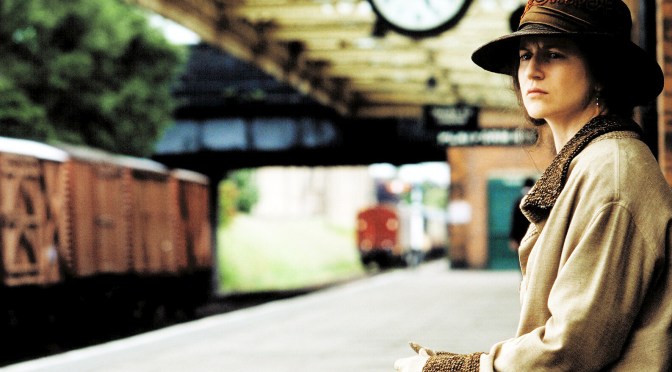
LITERARY ADAPTATIONS FEATURING plenty of yearning, unresolved romance and resilient creatives rising above the odds rank amongst my favourite movies. No surprise that they’re usually about writers and our work, one of the most elusive practices to effectively commit to the screen.
The tropes of cinema’s wordsmiths are well-used: chewing on the ends of pencils while gazing at the ceiling, screwing up pages and tossing them into a bin (usually a wire basket surrounded by plenty of scrunched paper), long walks in wild places, angst.
Overused, perhaps, but all based on truths that wordsmiths recognise.
Common threads and themes run through these films: America and Europe, past and present, queer and straight, Hopkins and Streep, readers and writers, love and loss, success and failure.
The use of unusual type-key symbols in the titles of these works (digits, ampersands, question marks, etc.) is also resonant of the old typesetting language that literature lovers understand.
Welcome to my list of guilty screen pleasures…
84, Charing Cross Road
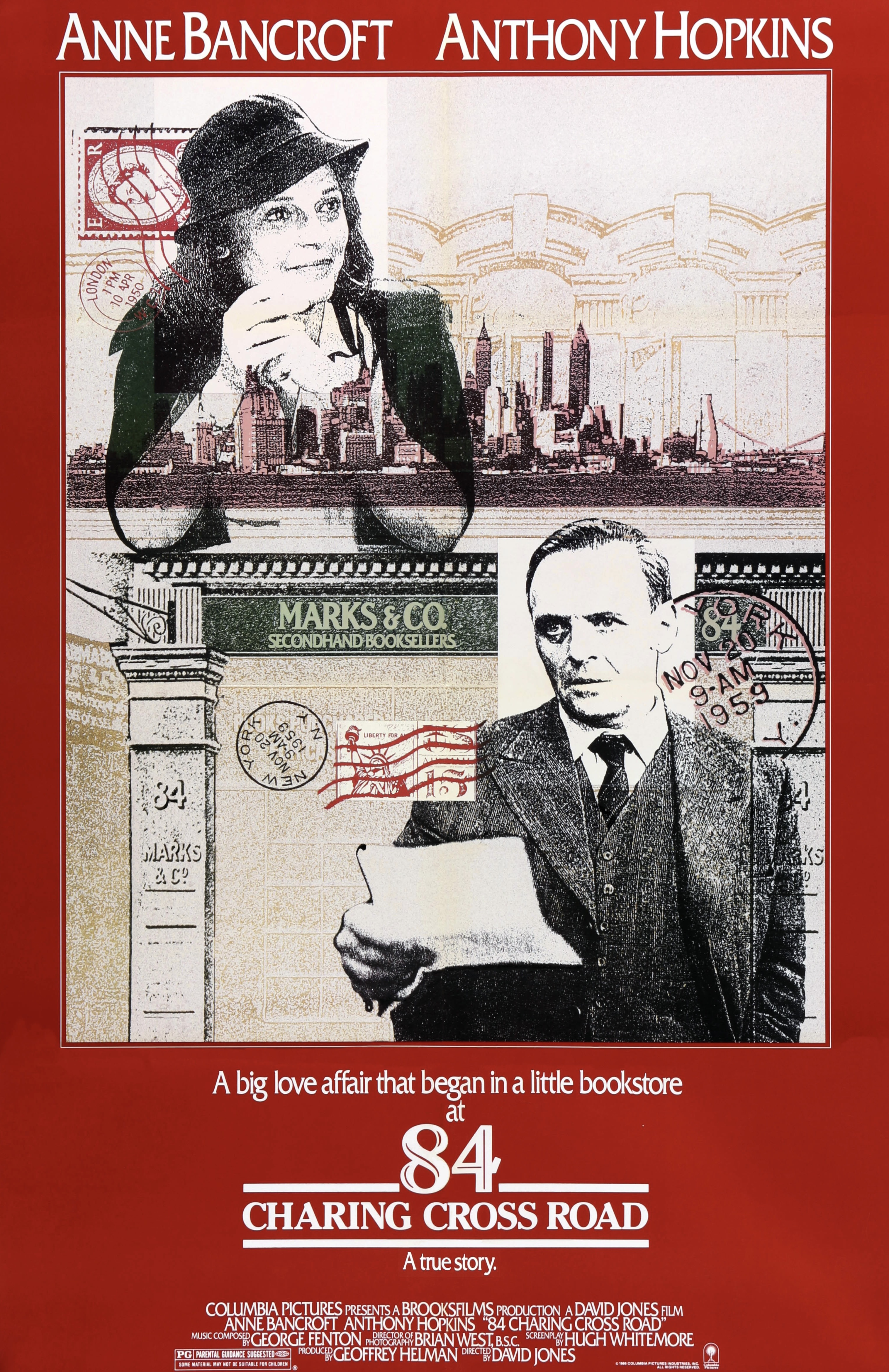
Adapted from Helene Hanff’s 1970 epistolary memoir, this tale by the mother of all armchair travellers rode into the literary scene on a post-WWII nostalgia wave. Headed up by Anne Bancroft as struggling New York writer Hanff and Anthony Hopkins as reserved London bookshop manager Frank Doel, there is perhaps no better example of a genteel story that is “just” a collection of real-life letters, unfolding over decades via simple acts of human kindness. Hanff and Doel are literature-loving denizens separated by the Atlantic, helping each other through austere years with the soul food of literature and ration-busting hampers. Along the way they find shared humanity and unrequited love. The divine art of humane correspondence.
Julie & Julia
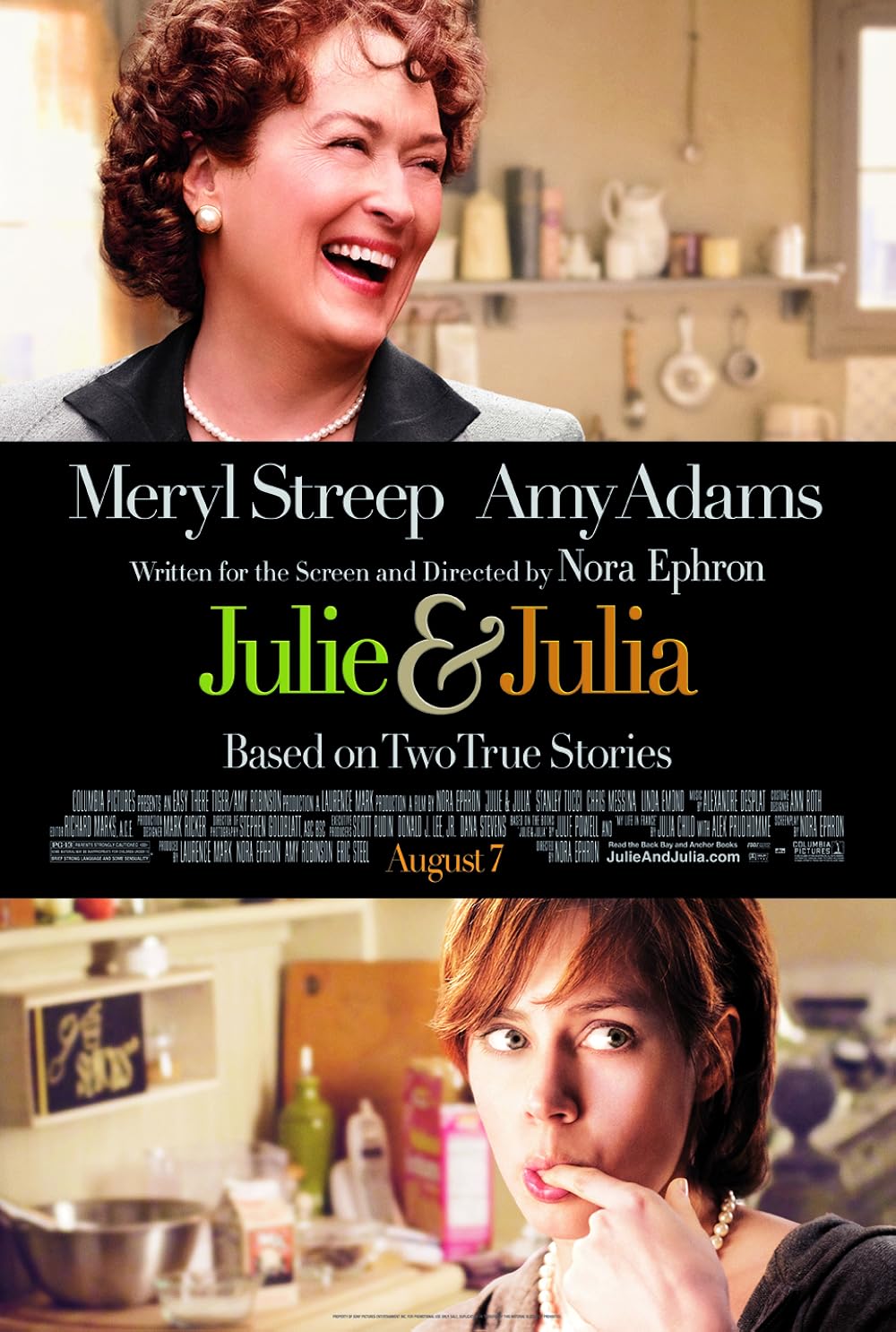
A food writer (Julia Child) and a food blogger (Julie Powell) embody the creation and purpose of Child’s 1961 culinary classic Mastering the Art of French Cooking. Meanwhile, their separate relationships are tested by the impacts of WWII and 9/11 on Paris and New York. In the hands of Meryl Streep, this is a raucous Julia Child counterpointed by the more subdued Powell (Amy Adams) as she cooks her way through the weighty tome decades after all the obstacles of its publication. Like Hanff’s story, food plays a pivotal role, but as a conduit for passion and a metaphor for commitment. Through cooking, Child and Powell find purpose in this call-and-echo tale on satiation, nurture and never giving up. The life-enlarging art of describing food with words.
Can You Ever Forgive Me?
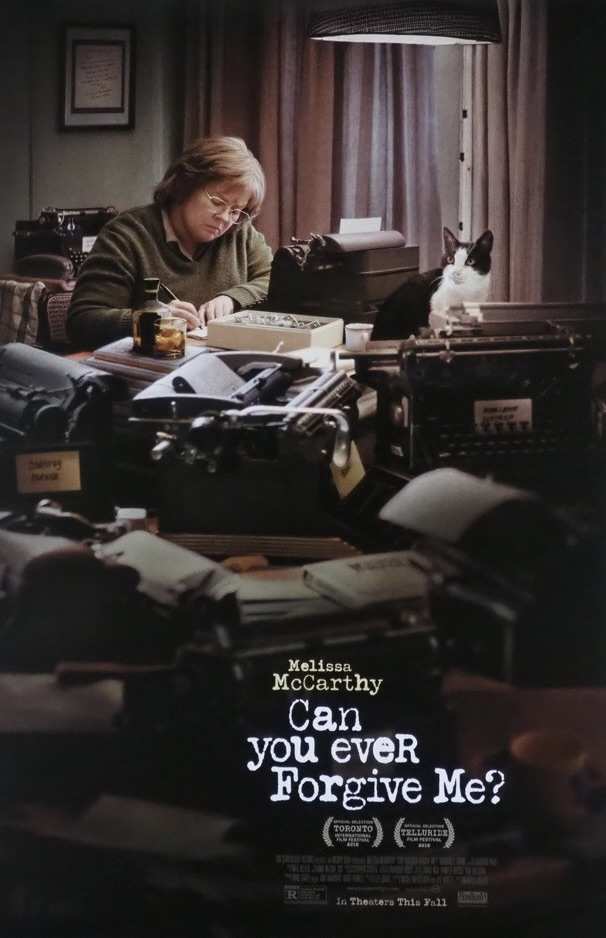
When her career as a biographer stalls in 1980s New York, writer Lee Israel (Melissa McCarthy) decides it’s easier to pay her bills from the takings of forging type-written letters by the city’s artistic icons, from Dorothy Parker to Fanny Brice. All seems harmless until the FBI picks up the trail, and Britain gets roped in with Israel’s partner-in-crime Jack (Richard E. Grant, although the real-life Jack was American). Apart from being a glimpse of how writers survive New York (not too far removed from Hanff’s experience), the beauty of this plot, taken from Israel’s 2008 confessional memoir, is that of course we forgive a struggling writer forced to pretend to be someone else in order to stay afloat in the book trade. The art of making believe.
{The} Hours
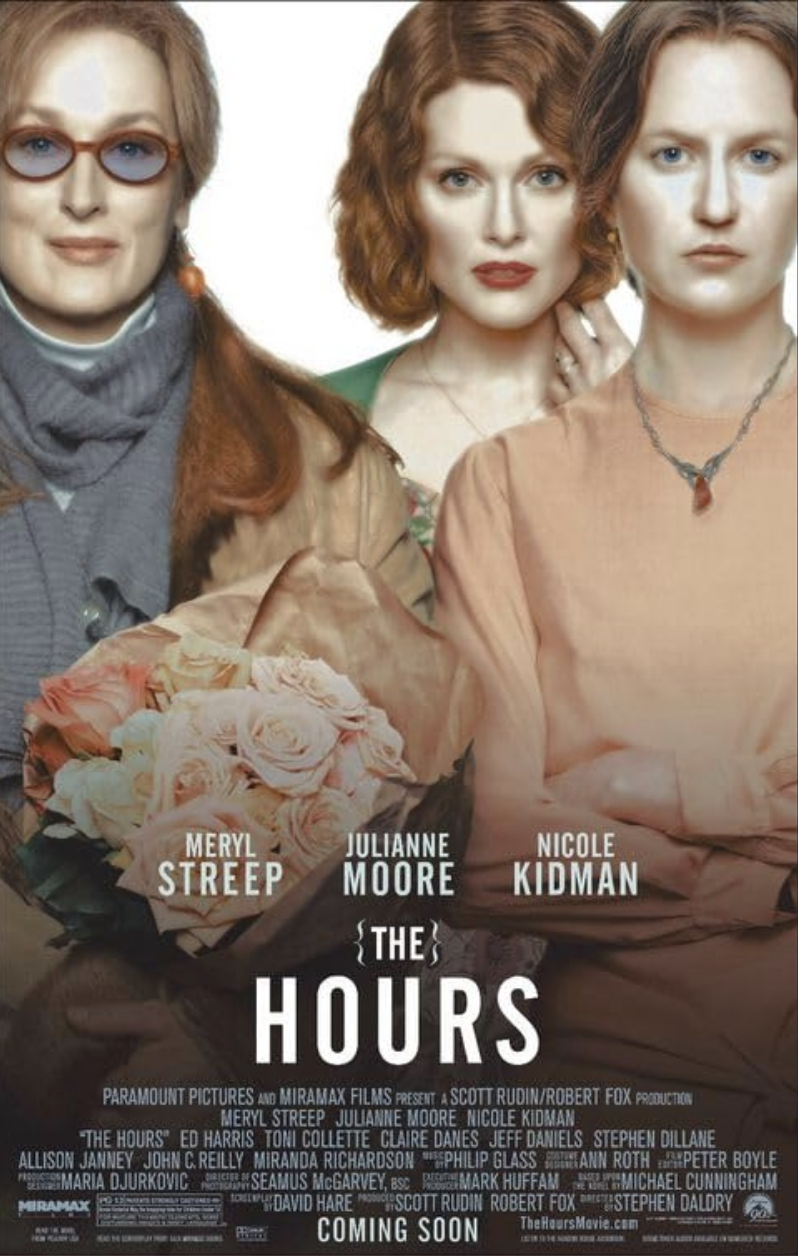
Michael Cunningham’s most beguiling premise springs off the page of his 1998 novel onto the screen in the hands of Nicole Kidman (as Virginia Woolf) pushing through demons to write her 1923 novel Mrs Dalloway; a suburban housewife (Julianne Moore) in 1949 Los Angeles, reading vicariously between the lines of Woolf’s classic; and a successful editor (Meryl Streep) in 1999 New York, embodying Mrs Dalloway’s brittle independence while throwing a party for a doomed poet. Taking viewers well beyond Hanff’s armchair, this time-travelling rumination on memory and regret weighs up the costs of liberating oneself from expectation instead of staying put. The art of making meaning.
Shadowlands
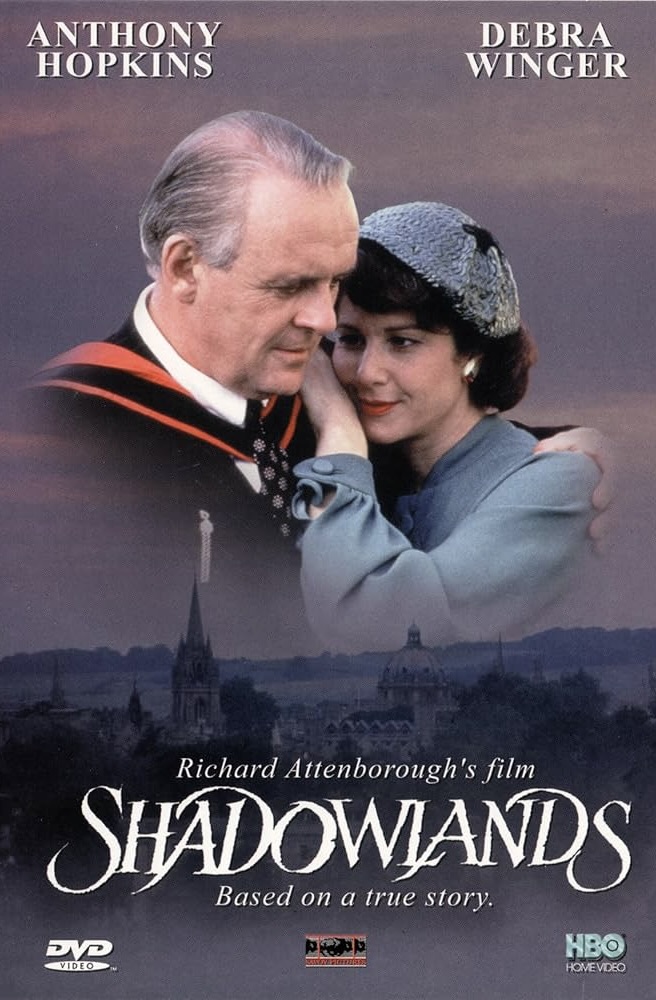
We fully cross the Atlantic in this counterpoint to the unrequited love of Charing Cross Road, to explore what happens when writerly penpals – quiet Brit C.S. Lewis (Anthony Hopkins) and boisterous Yank Joy Davidman (Debra Winger) – become the unlikeliest of star-crossed lovers. Their initial meeting of minds leads to a marriage of convenience, but when disaster strikes, it blossoms into a passionate betrothal. Several source materials went into this epic romance, none so visceral as Lewis’s own reflection on the experience in his 1961 book A Grief Observed. This screenplay wraps love, loss and literature into an icicle of fire shot straight from Narnia into your heart. The art of enduring love despite the odds.
Please tell me in the comments the examples I’ve overlooked…
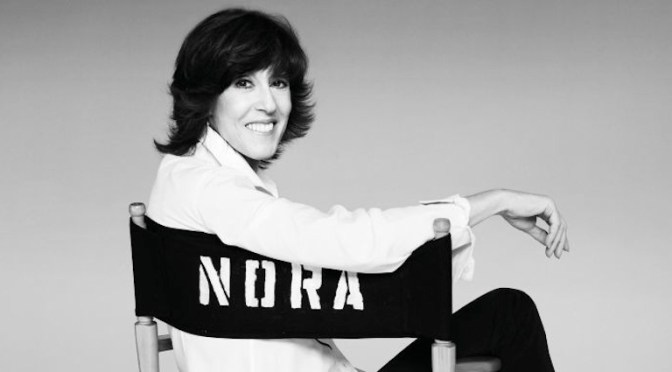
 But The Most of Nora Ephron will catch you up on what she did in between these major successes.

