
THE NEW SOUTH Wales Special Commission of Inquiry into LGBTIQ Hate Crimes was a world-first judicial process that took place from 2022 to 2023.
In his final report to the state government, Commissioner Justice John Sackar summed up by stating, “There is always a risk that history such as this will fade from – or never truly enter – the broader public consciousness, and even the consciousness of members of the LGBTIQ community who did not live through this period”.
“The history of violence against the LGBTIQ community is an ugly one, but the trauma to and resilience of the LGBTIQ community through that period should have enduring recognition.”
Interesting examples of this consciousness are starting to appear in Australian crime writing, after a significant deficit of fiction that tackles gay-hate, includes gay characters, or at the very least has any reference to the state’s history of gay-hate crimes.
Such themes appear in these five titles to differing degrees, in the hands of authors who are LGBTIQA+ and those who are not. Queer characters at the height of the HIV-AIDS epidemic; gay journalists on the hunt for the truth; historical identities from Sydney’s crimey past, and homosexual cops.
Australia’s most courageous book publishers, distributors, booksellers and authors are digging deep to bring gay-hate stories into the mainstream. Time to get reading …
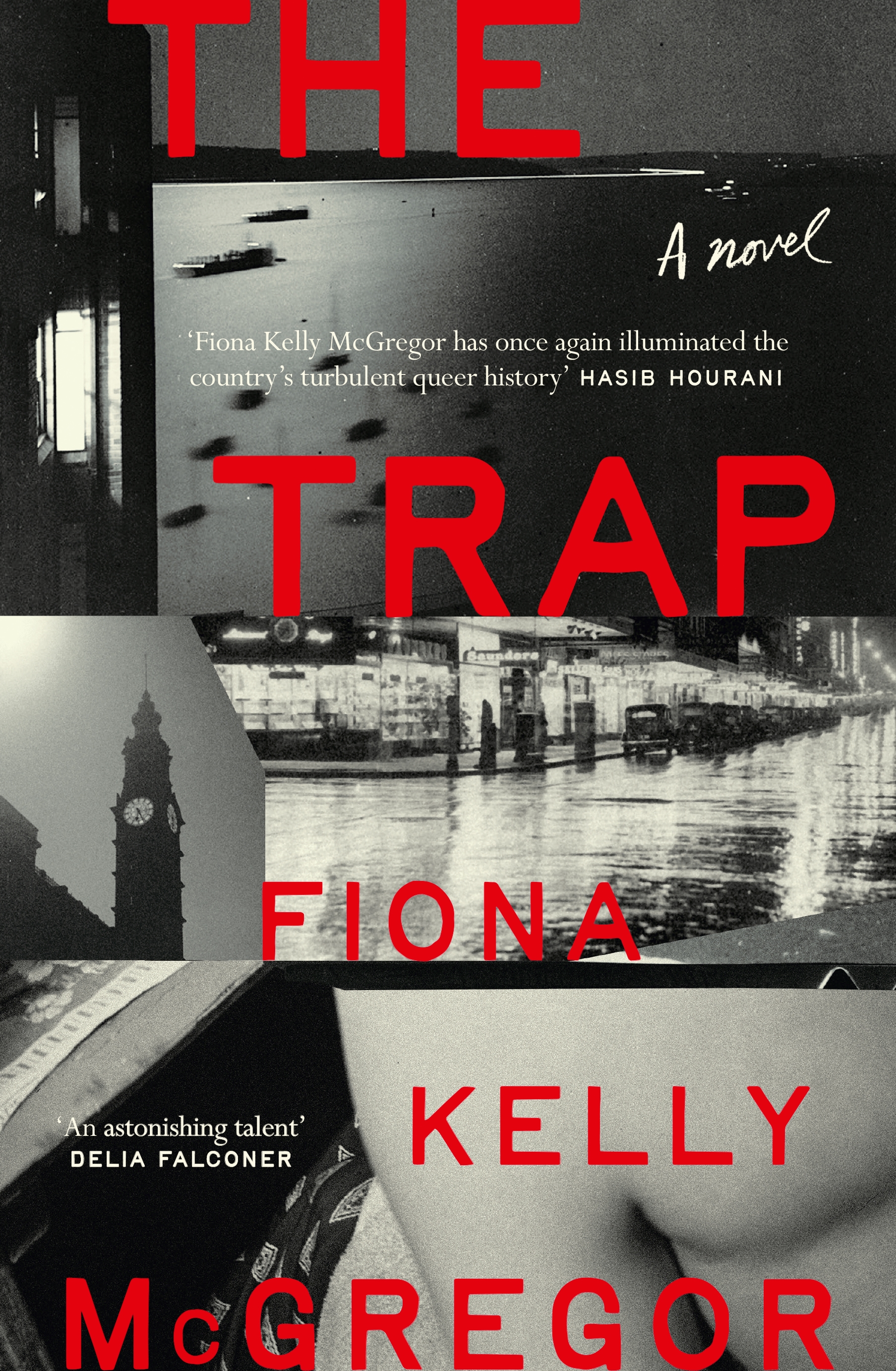
The Trap by Fiona Kelly McGregor
The gay-hate crime inquiry examined several historical deaths that took place at gay beats, very often public toilets. Such analysis was necessarily sterile, but McGregor’s novel puts the mysteries of queer cruising and entrapment into visceral focus. Wartime Sydney, 1942. In the half-light of brownouts, the city’s queers are prone to a nexus of ambitious police, toothless reporters and corrupt legal eagles. McGregor follows the fortunes of black, queer nightclub manager Ray Sayles, entrapped by cops in a cruel sting that runs right to the very top of the force, the media and the judiciary. McGregor’s raw blend of history and sexual politics makes this startlingly familiar.
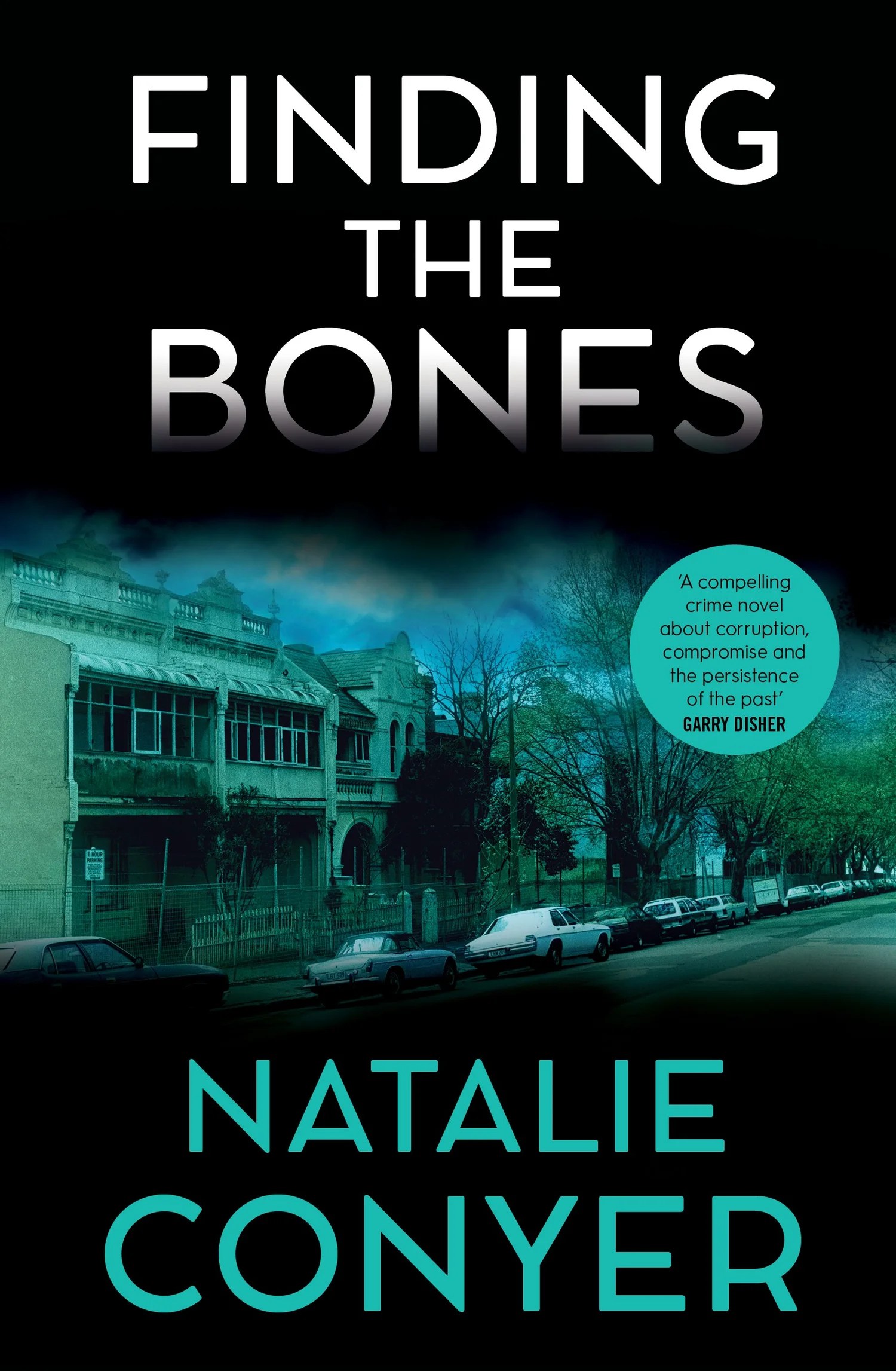
Finding the Bones by Natalie Conyer
There’s just no credible way to portray crimey 1980s Sydney without including queer characters, and Conyer lines up a cast of cops, newshounds, crooks and misfits in this, her third crime novel. The plot reimagines Sydney’s reaction if the body of activist Juanita Nielsen – real-life bane of developers and organised crime bosses – was ever discovered. Conyer’s Nielsen stand-in is the feisty and alluring Belle Fitzgerald, friend and confidante of Nelson Guthrie, gay sex worker and former student of Belle’s who holds several pivotal secrets about organised crime, police corruption and hate crimes in Darlinghurst and King’s Cross. There are just too many spoilers in describing Nelson’s pivotal role in this crime cracker!
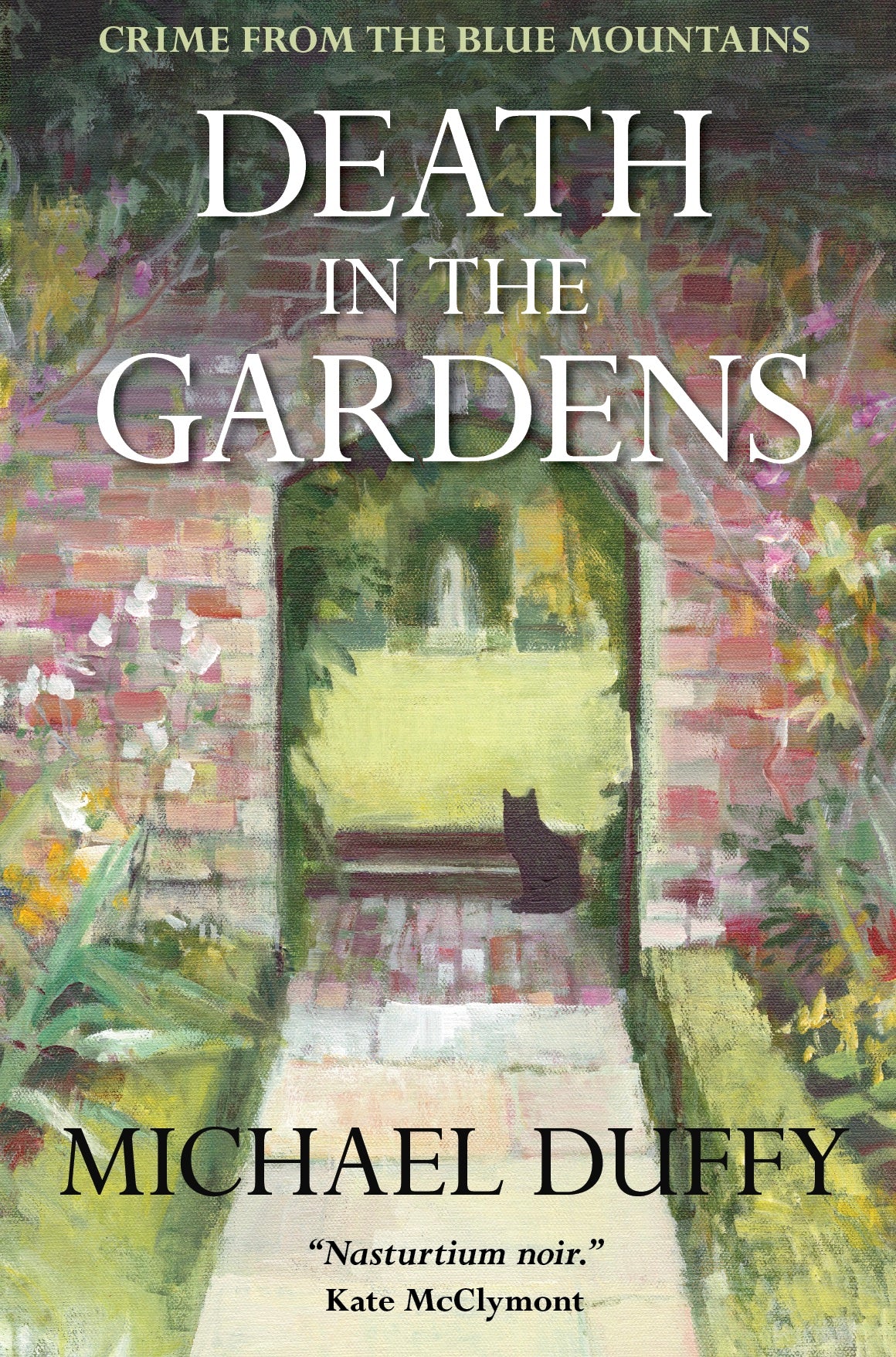
Death in the Gardens by Michael Duffy
In the opening of this Blue Mountains-set cozy mystery, a mention of the hate-crime inquiry is an example of what Justice Sackar hoped for in his report: that the homophobic crime wave is simply remembered. Keen gardener Serena Ives and local newspaper editor Bella Greaves meet at Leura’s Everglades after the discovery of disturbing graffiti. Bella places the womens’ last encounter in the 1980s by recalling the spate of violent gay death in Sydney at the time; but Duffy backs up his recurring sleuth’s memory by having her connect the dots with the announcement of the hate-crime inquiry the day before. Truth and resonance in one innocuous scene is all it takes to be inclusive.
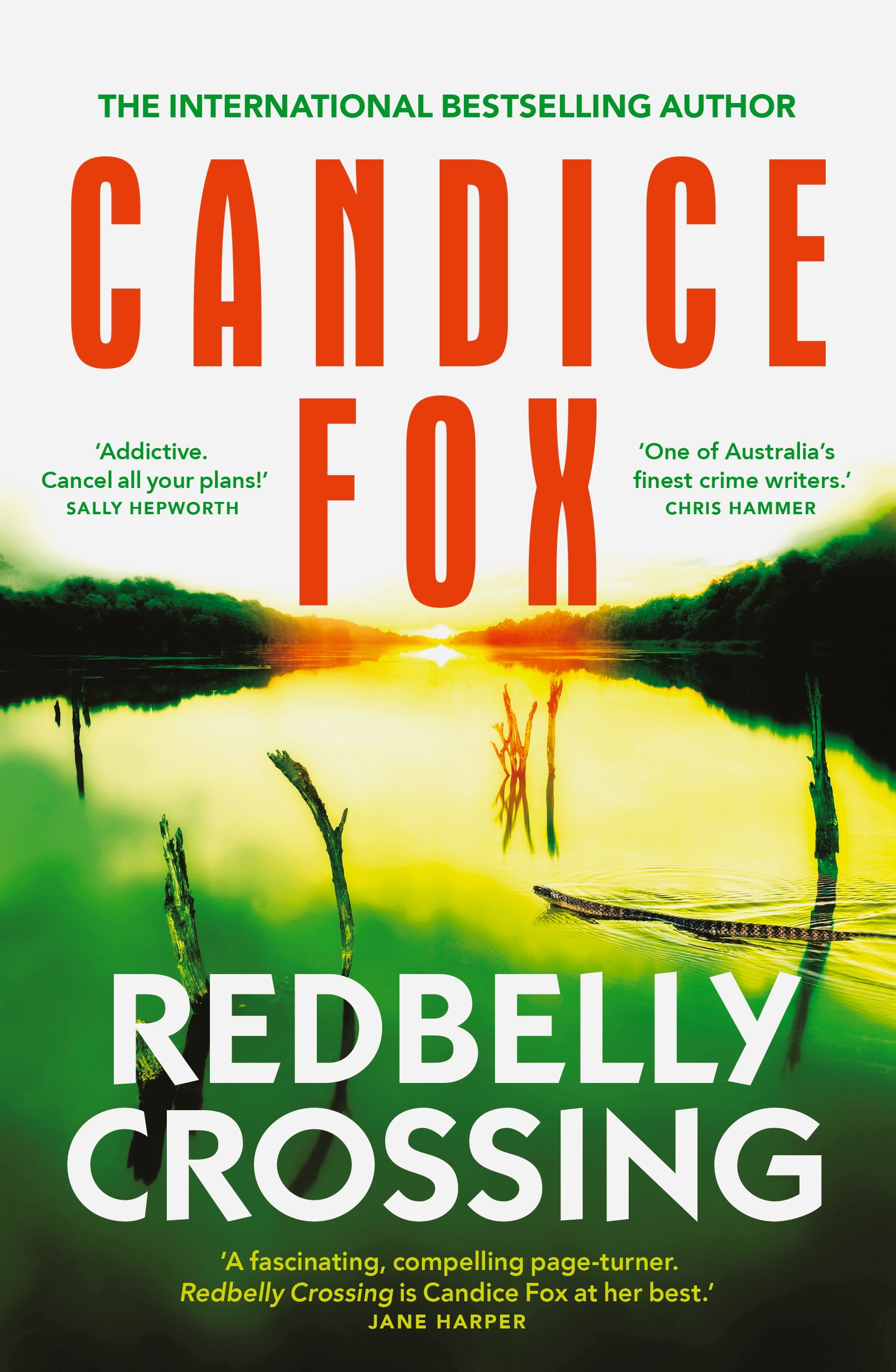
Redbelly Crossing by Candice Fox
This one makes the list because of the courageous manner in which author and publisher have centred the trauma of a gay serving cop, DI Russell Powder, in a bestselling piece of commercial fiction. Queer cops are rare in popular culture, very often they are victims or problematic anti-heroes (think Al Pacino as Detective Steve Burns in William Friedkin’s 1980 movie Cruising). But Redbelly Crossing shows the degree to which the hate-crime inquiry can alter the stakes in Australian crime fiction, when it tackles the emotional landscape of gay men who also happen to be police officers. The result: no visible decline in a major author’s trajectory, for a book described by Sisters in Crime as, “one of Candice’s best.”
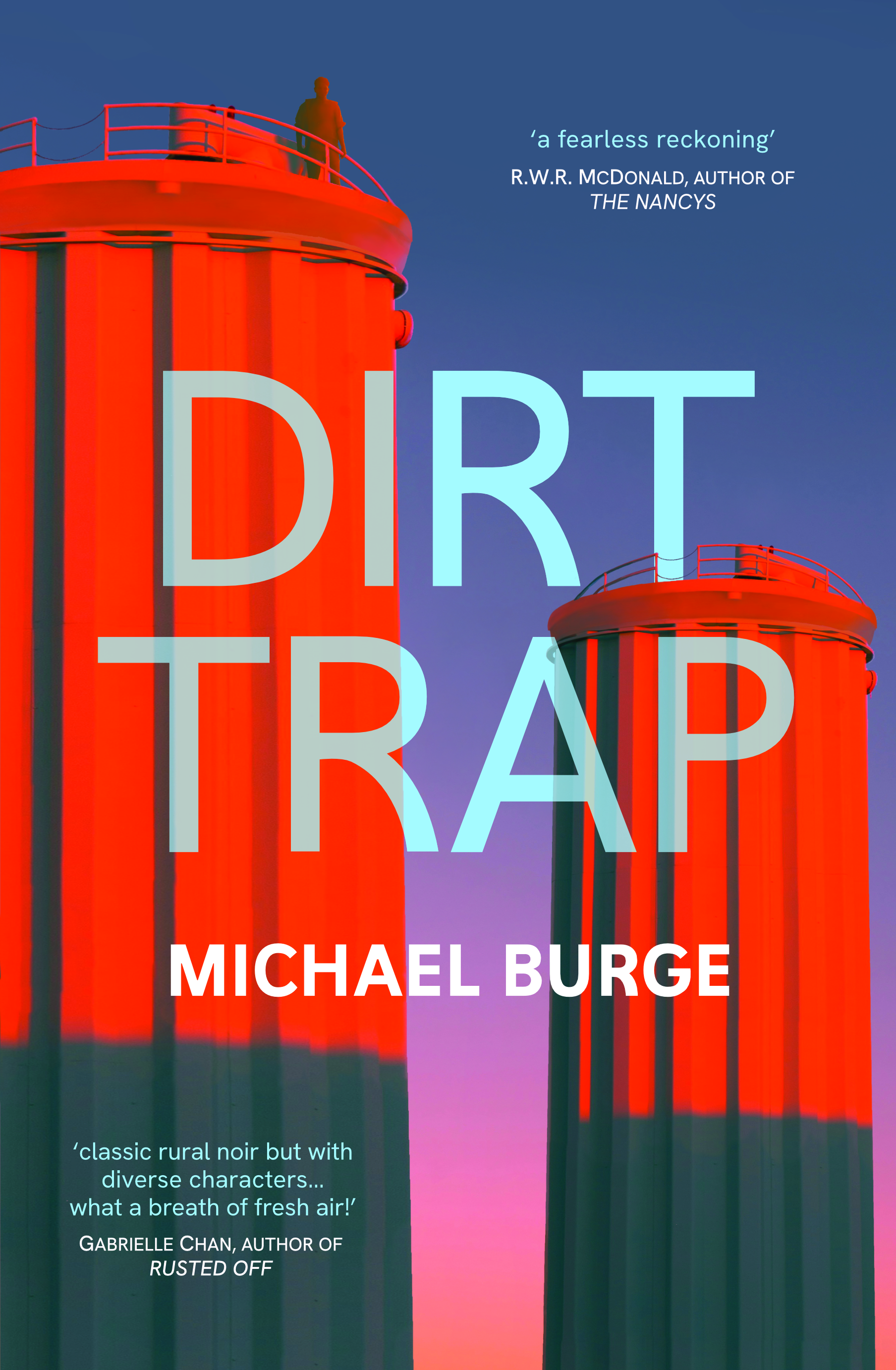
Dirt Trap by Michael Burge
“It’s been 20 years since the death of James Brandt’s cousin Tony, the first love of his life, and through that entire time his passing has been labelled a suicide – alongside several others in the small rural community of Kippen. Now, there is a major NSW inquiry into the deaths of same-sex-attracted men, with a particular focus on regional deaths. Michael Burge’s decision to return to the setting of his first novel, Tank Water, was inspired and driven by the recent NSW inquiry into LGBTIQ+ hate crimes. A captivating sequel, filled with genuine characters and heartfelt sincerity for the ongoing struggle of the regional LGBTIQ+ community and cements Burge’s place in the Australian noir genre.” – Glen Christie, Glam Adelaide

