THE NEW SOUTH Wales Special Commission of Inquiry into LGBTIQ Hate Crimes was a world-first judicial process that took place from 2022 to 2023.
In his final report to the state government, Commissioner Justice John Sackar summed up by stating, “There is always a risk that history such as this will fade from – or never truly enter – the broader public consciousness, and even the consciousness of members of the LGBTIQ community who did not live through this period”.
“The history of violence against the LGBTIQ community is an ugly one, but the trauma to and resilience of the LGBTIQ community through that period should have enduring recognition.”
Interesting examples of this consciousness are starting to appear in Australian crime writing, after a significant deficit of fiction that tackles gay-hate, includes gay characters, or at the very least has any reference to the state’s history of gay-hate crimes.
Such themes appear in these five titles to differing degrees, in the hands of authors who are LGBTIQA+ and those who are not. Queer characters at the height of the HIV-AIDS epidemic; gay journalists on the hunt for the truth; historical identities from Sydney’s crimey past, and homosexual cops.
Australia’s most courageous book publishers, distributors, booksellers and authors are digging deep to bring gay-hate stories into the mainstream. Time to get reading …
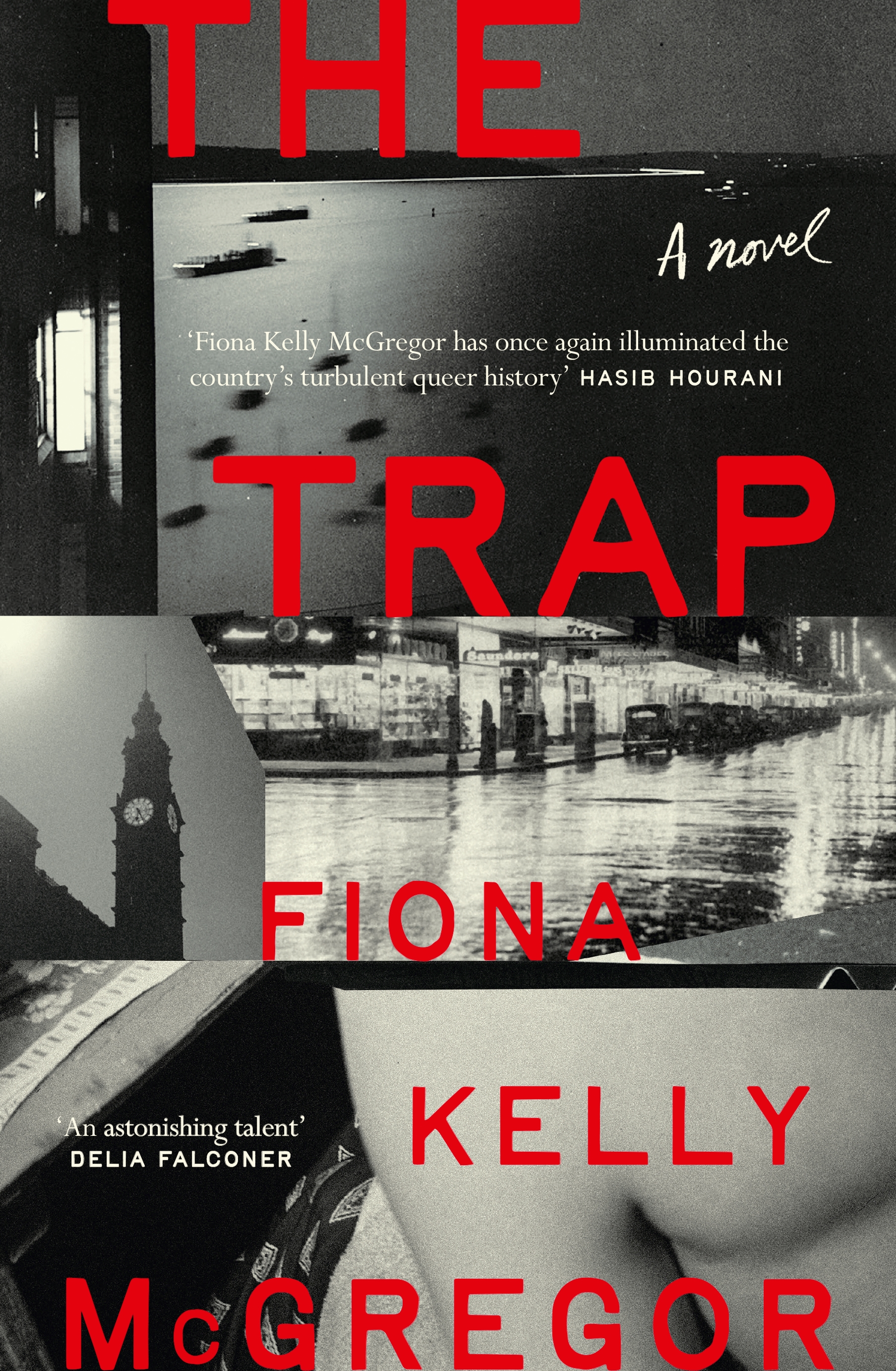
The gay-hate crime inquiry examined several historical deaths that took place at gay beats, very often public toilets. Such analysis was necessarily sterile, but McGregor’s novel puts the mysteries of queer cruising and entrapment into visceral focus. Wartime Sydney, 1942. In the half-light of brownouts, the city’s queers are prone to a nexus of ambitious police, toothless reporters and corrupt legal eagles. McGregor follows the fortunes of black, queer nightclub manager Ray Sayles, entrapped by cops in a cruel sting that runs right to the very top of the force, the media and the judiciary. McGregor’s raw blend of history and sexual politics makes this startlingly familiar.
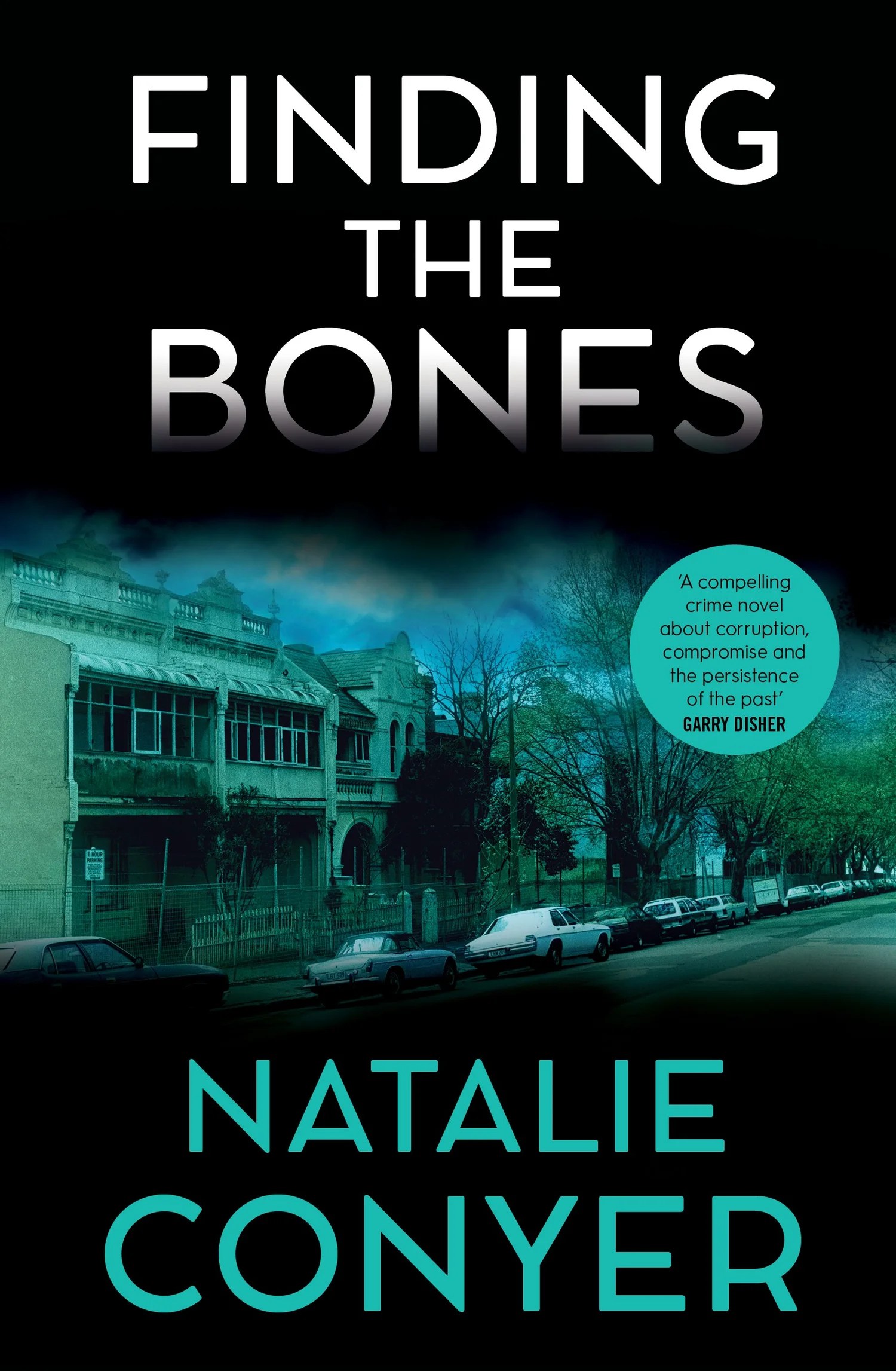
There’s just no credible way to portray crimey 1980s Sydney without including queer characters, and Conyer lines up a cast of cops, newshounds, crooks and misfits in this, her third crime novel. The plot reimagines Sydney’s reaction if the body of activist Juanita Nielsen – real-life bane of developers and organised crime bosses – was ever discovered. Conyer’s Nielsen stand-in is the feisty and alluring Belle Fitzgerald, friend and confidante of Nelson Guthrie, gay sex worker and former student of Belle’s who holds several pivotal secrets about organised crime, police corruption and hate crimes in Darlinghurst and King’s Cross. There are just too many spoilers in describing Nelson’s pivotal role in this crime cracker!
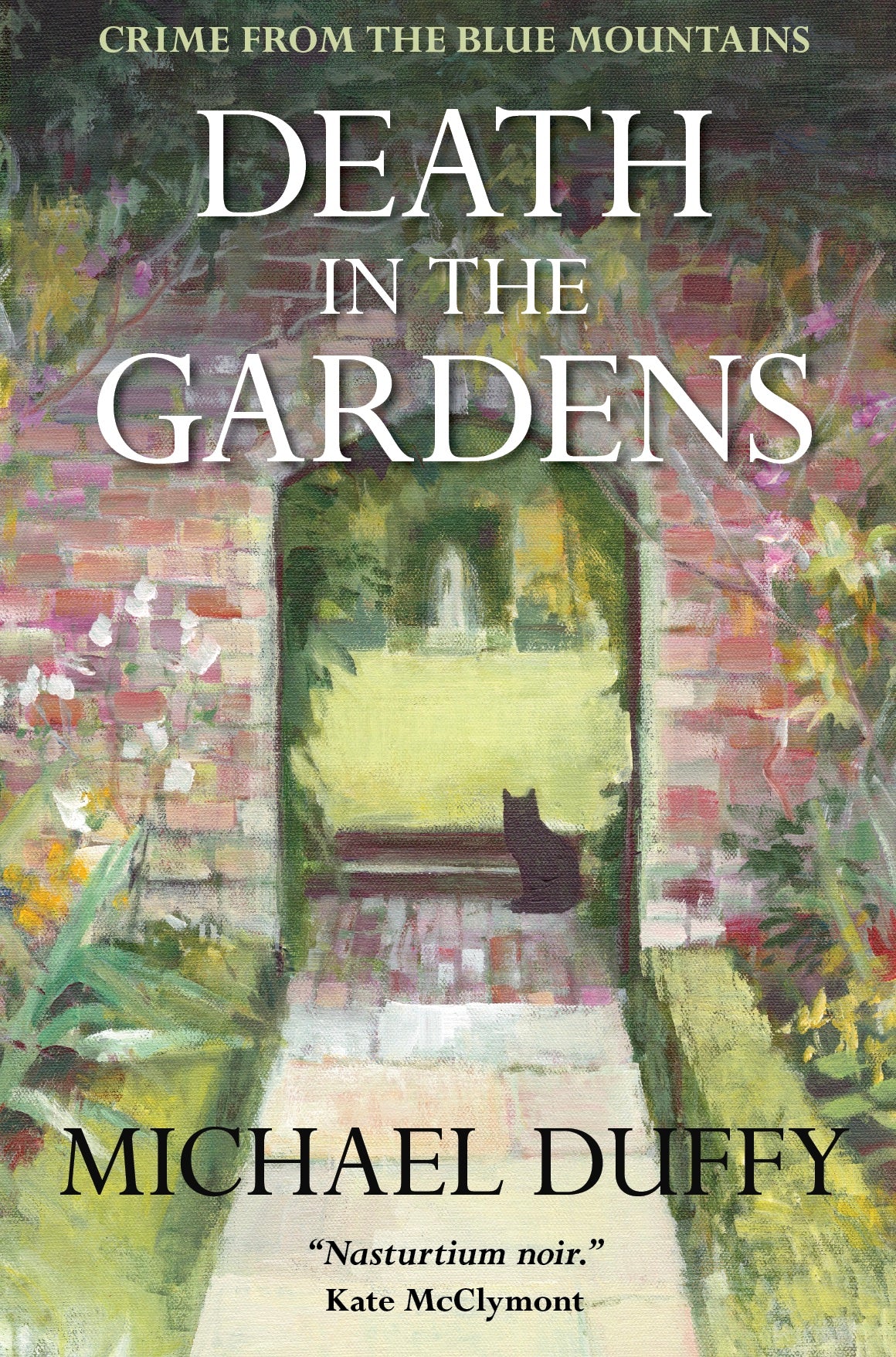
In the opening of this Blue Mountains-set cozy mystery, a mention of the hate-crime inquiry is an example of what Justice Sackar hoped for in his report: that the homophobic crime wave is simply remembered. Keen gardener Serena Ives and local newspaper editor Bella Greaves meet at Leura’s Everglades after the discovery of disturbing graffiti. Bella places the womens’ last encounter in the 1980s by recalling the spate of violent gay death in Sydney at the time; but Duffy backs up his recurring sleuth’s memory by having her connect the dots with the announcement of the hate-crime inquiry the day before. Truth and resonance in one innocuous scene is all it takes to be inclusive.
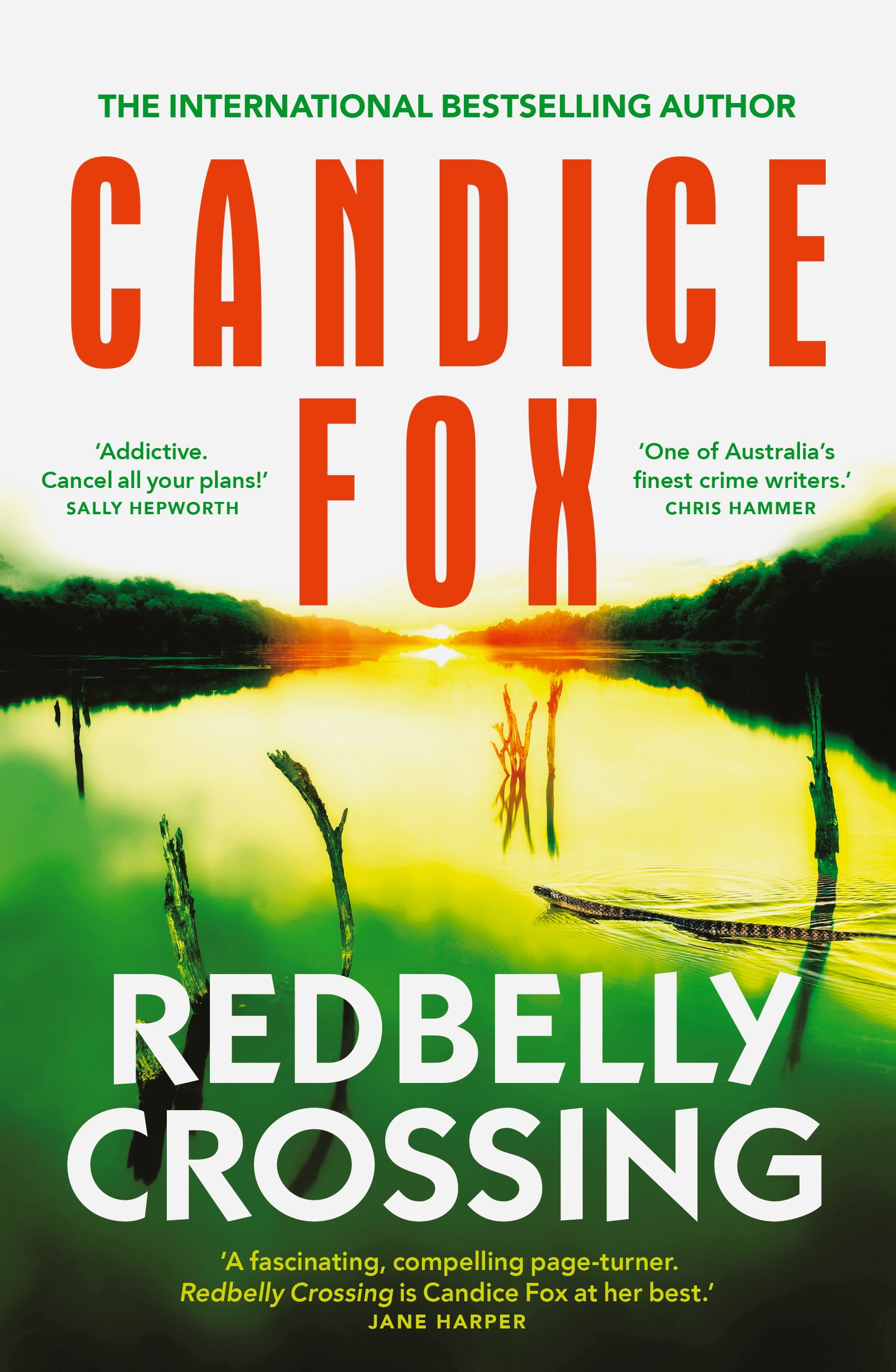
This one makes the list because of the courageous manner in which author and publisher have centred the trauma of a gay serving cop, DI Russell Powder, in a bestselling piece of commercial fiction. Queer cops are rare in popular culture, very often they are victims or problematic anti-heroes (think Al Pacino as Detective Steve Burns in William Friedkin’s 1980 movie Cruising). But Redbelly Crossing shows the degree to which the hate-crime inquiry can alter the stakes in Australian crime fiction, when it tackles the emotional landscape of gay men who also happen to be police officers. The result: no visible decline in a major author’s trajectory, for a book described by Sisters in Crime as, “one of Candice’s best.”
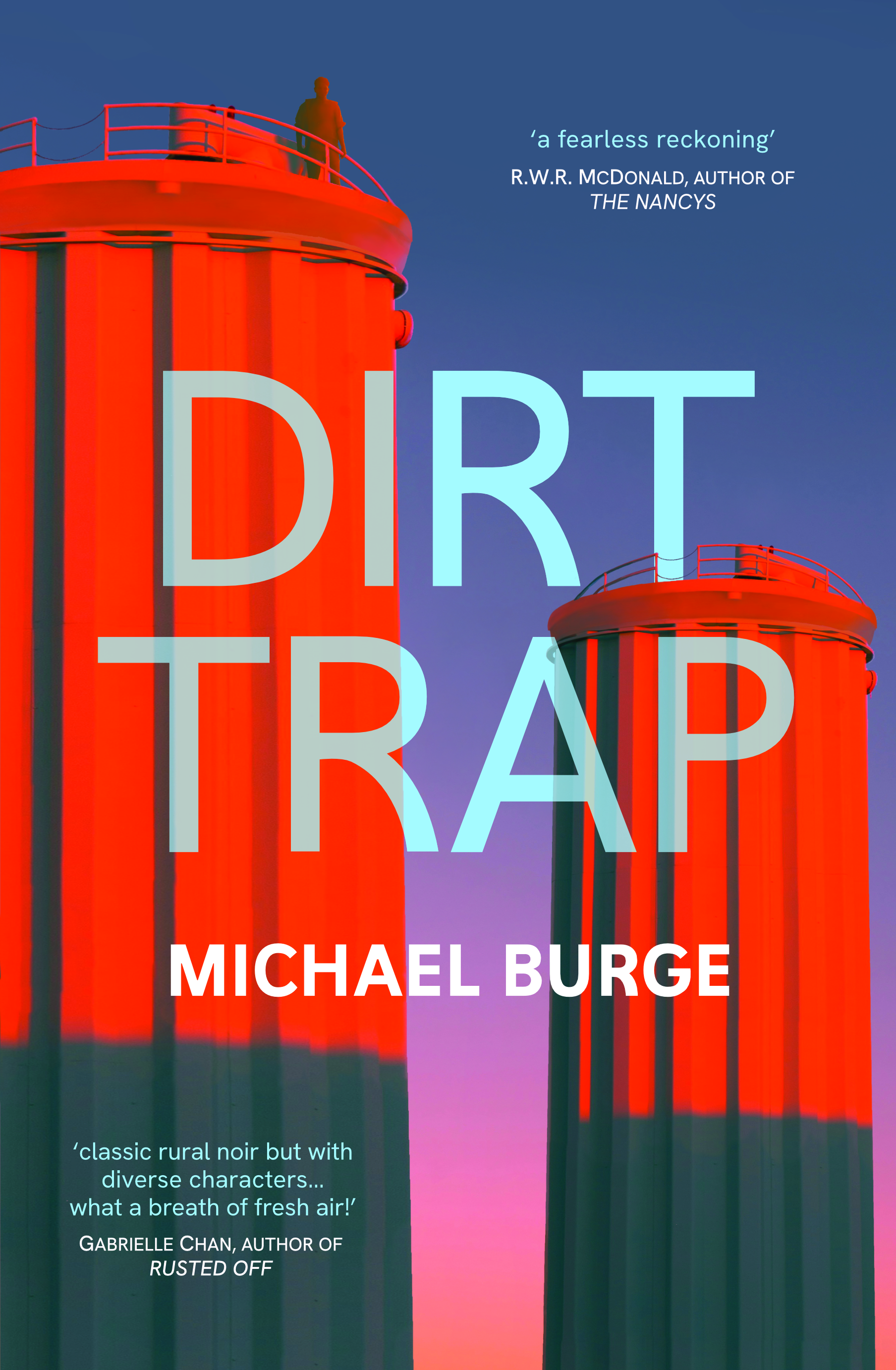
“It’s been 20 years since the death of James Brandt’s cousin Tony, the first love of his life, and through that entire time his passing has been labelled a suicide – alongside several others in the small rural community of Kippen. Now, there is a major NSW inquiry into the deaths of same-sex-attracted men, with a particular focus on regional deaths. Michael Burge’s decision to return to the setting of his first novel, Tank Water, was inspired and driven by the recent NSW inquiry into LGBTIQ+ hate crimes. A captivating sequel, filled with genuine characters and heartfelt sincerity for the ongoing struggle of the regional LGBTIQ+ community and cements Burge’s place in the Australian noir genre.” – Glen Christie, Glam Adelaide
SAME-SEX ATTRACTION HAS cropped up in Australian literature since the dawn of our publishing industry, when queer characters were heavily coded yet highly visible when you knew how to read the signs.
From the middle of the 20th century, we stepped a bit further out of the margins into tales like Kenneth Cook’s Wake in Fright (1961), although the roles were small, mainly stereotypical villains and helpless victims. Happy endings for queers were in very short supply.
Decades on, a shift is underway, and you’ll observe it in just about every section of your favourite bookshop. Exhibit A: this short list of works in the publishing supply chain right now.
Queer characters crop up in these titles as family units and courageous protagonists; in sexual encounters and chaste romances, and as parents, children, siblings, colleagues and more. I could analyse whether such portrayals are authentic or run very deep. I could explore which of these authors sits where on the LGBTIQA+ spectrum, if at all…
But all of that is beside the point, which is that Australia’s most courageous book publishers, distributors, booksellers and authors are digging deep to bring queer stories into the mainstream. Just get reading…
Former convict Jorgen Jorgensen is tasked with investigating the apparent suicide of English surveyor, architect and explorer Henry Hellyer in colonial Van Diemen’s Land. Pitting its characters against the harsh 1830s frontier, Muller’s debut novel unpicks a web of silence and inconsistent evidence that saw Hellyer beleaguered by gossip about his sexual liaisons with male convicts. Ramping up gradually via its tense, tender and detailed prose, this evocative colonial mystery is the first release from Tasmanian imprint Evercreech Editions, and forces us to question whether Hellyer’s death was one of the earliest cases of homophobic retribution masked as self harm.
Garry Wotherspoon’s research into explosive archived love letters between 19th century seamen Matthew Flinders and George Bass, and bushrangers Captain Moonlite and James Nesbitt, unleashed a long-overdue queer gaze on the Australian colonial experiment. Now, Alexandria Burnham’s heartfelt and feisty tale of high-seas adventure and high-stakes love joins the growing ranks of historical fiction brave enough to portray complex and endearing same sex-attracted characters living in one of the country’s toughest eras. From the WestWords stable, platforming the people, places and cultures that comprise the heart of Western Sydney.
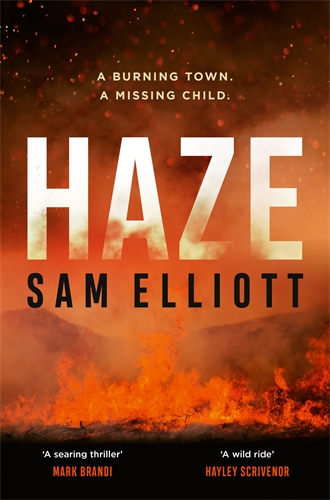
This gripping debut blazes a new trail into Australian rural noir. With intense, action-packed prose, Elliott throws the reader into a rural community blasted apart by bushfire, on the heels of the fierce, loyal, humane and unique Constable Dahlia Turner. While some locals cry arson, Dahlia fights to focus on the heinous murder and missing child that lead to far more uncomfortable truths. Haze tackles the lawlessness of country towns, but this is no moral crusade, because Elliott explores Dahlia’s courageous journey to confront similar aspects in herself. An engaging portrayal of 21st century rural life from PanMacmillan Australia, which gave rise to queer Australian author Hayley Scrivenor.
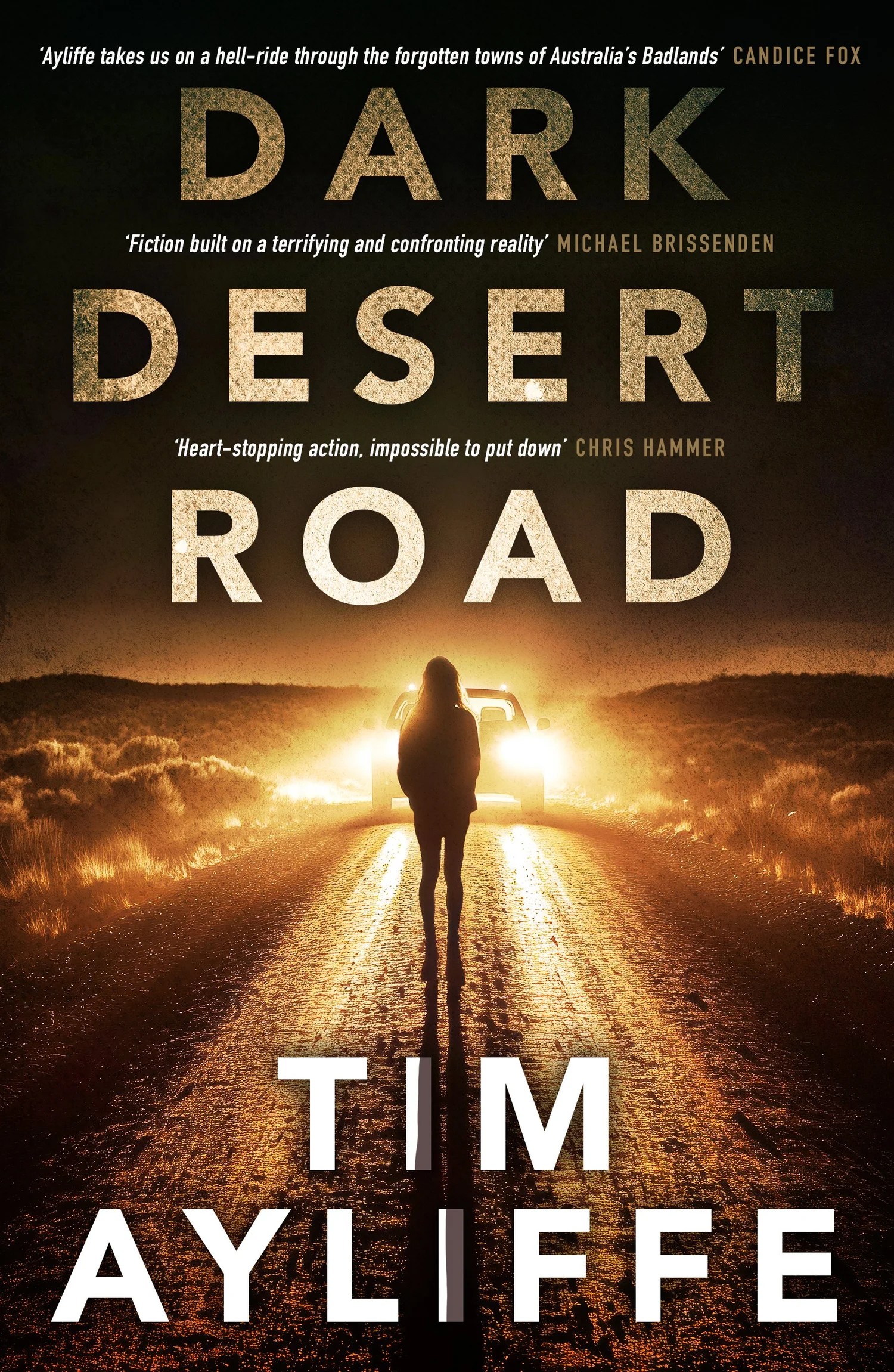
In a completely new direction for Ayliffe, hitherto master of global espionage fiction, this fast-paced novel takes readers from the heart of Sydney into the badlands of the Riverina with child-protection cop Kit McCarthy, on a mission to rescue her twin sister Billie. There’s a dark history in this family: war crimes, domestic violence and conspiracy theories have broken the McCarthys irretrievably. As Kit digs deep for the sake of a nephew she’s just discovered, chilling evidence makes it clear that Billie has reinvented herself from happy-go-lucky city chick into a separatist intent on destruction. A relentless chase into the heart of sovereign citizenry from Echo Publishing.
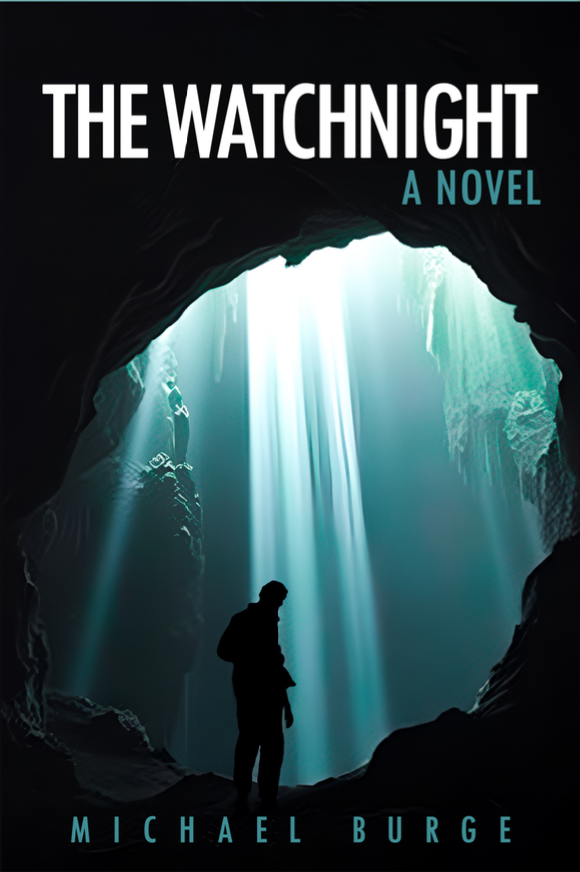
“A refreshingly original historical crime novel. Journalist and novelist Michael Burge weaves together facts with riveting fiction, breathing life into a forgotten pocket of Australian history. With elegant prose and intriguing, conflicted characters, he tells a mesmerising tale that’s anchored in the beauty and brutality of a tiny rural outpost in the 1850s. Its strengths are due in part to the setting, a Methodist community in rural NSW during the gold rush; the depiction of a beautiful relationship between a Burra Burra woman and an Irish woman; and a gripping plot that explores complex questions of crime, forgiveness and faith in the 1850s.” – author Poppy Gee. Now available from Unicorn Press.
“In this digital age, it’s never been easier to prepare your submissions and have have them all done and dusted in a very short time.”
IF you’ve ever really done the work on a manuscript in the manner outlined in Write, Regardless!, allowed it to absorb your imagination and your heart; lost sleep over it and swung from thinking it’s the worst thing ever written to moments of confidence that it says something, you’ll know when it’s time to give it a chance in the wider world. If you haven’t done the work, you’ll be full of doubt about your manuscript’s quality, tempted to ask everyone what they think, and so out of touch with your inner bullshit monitor that you won’t know how to sift the feedback. Here are some tips about finding if you’re ready to submit your work to publishers and literary agents.
Submitting season
In this digital age, it’s never been easier to prepare your submissions and have them all done and dusted in a very short time. After a standard three-month wait to see whether the marketplace, right now, is interested in your manuscript, if your work has not been picked-up you’ll have a choice: publish it regardless or shove it in a desk drawer and try to forget about it.
Publisher or agent?
There are plenty of pros and cons about whether writers need an agent. According to literary agent Alex Adsett, around 60 per cent of books get published in Australia without one. You don’t need a real estate agent to sell a house. It’s the same with selling intellectual property. Writers can research the various submitting opportunities and send our work in directly, or we can hand the process over to someone to do the work for us. The submission materials needed to approach an agent are the same as those needed to approach a publisher.
The agency pathway
Most literary agencies list the genres they will represent, so check their guidelines carefully before sending in your work. Writing programs also operate as agents by matching writers with publishers; and many writing competitions serve a similar purpose. Whenever your work is being represented by a third party between you and a publisher, it’s a literary agency-type process.
Be under no illusion, authors pay for agency support, usually at the ‘back end’ as a percentage of royalties. Literary agents are best treated like real estate agents: assertively and courteously, with everything in writing before the ‘For Sale’ sign goes up. Be cautious about what rights you’re signing away in the terms and conditions of writing competitions.
The shock and awe principle
I deal with the submission process by using a little military energy known as shock and awe,because it cuts through the crap. Writers can get stymied by business strategies, the main one publishers deploy being the ‘don’t send your manuscript out to more than one publisher/agent at a time’ advice. The ONLY person this principle benefits is the person looking at your great book submission. They have removed all competition by making you afraid to call the cavalry. When I submit a manuscript, I send it to all relevant publishers/agents at the same time, and I give the process three months maximum. This is how real estate has been sold forever, by creating that critical mass all property sellers desire. Intellectual property sellers have no reason to think or act differently. Literary agents certainly don’t act on this advice – they create bidding wars between publishers whenever they can.
Direct-to-publisher submissions
Right now, major publishers have open doors for unsolicited manuscripts, uploaded via their websites. Usually once-a-month, these opportunities have snappy names like Penguin’s Monthly Catch. They require writers to have a formatted manuscript, a synopsis and a writer’s biography; some idea of the target audience and similar titles on the market; a social media platform (don’t say I didn’t warn you about the need for one); some skill in public speaking and communicating, and a couple of contacts in the publishing/media industry (warned you about that one too).
Literary speed dating
It’s become increasingly common for book deals to be triggered by what’s known as a manuscript pitching session. I had my debut novel Tank Water picked up for publication after I paid to meet two fiction editors at a New England Writers’ Centre pitch event. I spent ten minutes with each, a chance to sell the ideas and themes of my book. It’s akin to speed dating – a bit hard on the nerves – but the great advice I got beforehand was to not spend the entire time banging on about my work, leaving space for each editor to ask me questions. Both wanted to see the manuscript afterwards, and one – Anna Solding of MidnightSun Publishing in Adelaide – eventually offered me a book contract.
Look out for such sessions at writer’s festivals, they’re a great way to meet editors you might not otherwise have the opportunity to get your work in front of.
“While there is still a publishing industry, writers who have done the work on our manuscripts should have a go and submit our books for consideration.”
Fab formatting
There is a basic manuscript style in the English language, which is generally a one-inch page margin, plain font, page numbering and double-spaced text. This is not publishers being picky, it’s a format that is easy on the eye for people who read a lot. There are international variations and your state or national writers’ resource centre will tell you what is standard for your part of the world. There are no excuses for writers who don’t adjust their manuscripts to a publisher’s specifications. Sent a single-spaced manuscript of 250,000 words when they wanted 80,000 maximum, double-spaced? Whoosh! There goes your book back into the slush pile! Make it legible, plain (no sample cover art by Uncle Brian), with a decent working title and give it to them in the format and file type they ask for.
Super synopsis
A synopsis is not a blurb on the back of a published book, taunting the reader with hidden details about the story, it must allow a publisher to appraise your plot at a glance. If you’ve done the workplotting your book, a synopsis will be very easy to write. If you cannot write one, chances are your manuscript is not ready to submit. Explain your exposition, rising action, climax, falling action and denouement, and do it in the word-count they ask for.
Brilliant biog
Publishers are seeking background information about you as a writer, not necessarily where you went to school or your employment history, unless these relate to the manuscript you’re submitting. Write your biog in the third person, show them your stuff as a wordsmith, and stick to the word-count they ask for (are you seeing a pattern here about not pissing them off?).
Insider knowledge
Many submission opportunities ask writers to name a few existing books that are similar to ours. Don’t get on your high horse and claim you’ve written something so original there is nothing like it in the history of literature. The chances are there’s a few similar titles out there in the hundreds of writing genres. This is sometimes referred to as a commercial comparison, or a ‘mash up’ – ‘think Godzilla meets Bambi’ – and has become a publishing industry shortcut to understanding your manuscript quickly. You’ll be asked to nominate a genre and a format. Is it a long-form memoir? Is it a narrative non-fiction novella? Is it a short story collection? Be real and be honest.
Screen-savvy author
Agents and publishers have been known to request authors submit audition-style videos to see if we are media-friendly. Don’t panic! If you need to create a short audition video, you can film yourself on your mobile phone camera. Choose a quiet, well-lit but shaded location that prevents the sun directly hitting your face, hit the front-facing camera symbol and select video. Next, hold the camera up horizontally like you’re taking a selfie, pause, breathe, and introduce yourself before reading your writer’s biog in the first person while looking into the camera lens. This will make it look as though you’re addressing the viewer right in the eye, and give you a confident air. Email or message the clip to your desktop, then upload it with your book submission. Keep it simple and keep it short.
BE COOL It’s only a contract.
The fast response
Be prepared to have an agent or a publisher interested in your work very quickly. Like enthusiastic house hunters, they can act fast if they want to get your work off the market. This is not the moment to tell all your other prospects your work has been picked up. No real estate agent cancels further inspections on the strength of an enthusiastic potential buyer… no way! Some publishers/agents will ask for a few weeks to read and consider your work because they like the sound of it. If so, calmly tell them you have made other submissions, but say that you have not been offered any contracts. If they are genuinely interested, they’ll get reading and perhaps send you one. If you need help interpreting it, contact your writers’ centre or arts-law centre for advice.
Be cool about contracts
Good publishing contracts are not lengthy – they don’t need to be. If you’re offered a contract, it should never ask you to assign copyright of your work to another party, but it should require you to warrant you created the work you have submitted. You should be allowed to negotiate a timeframe to submit your final drafts, and you and the publisher need to agree on the date the book will be published. They can set a time limit (and perhaps a fee scale) on author changes to the manuscript ahead of publication. This is to ensure you’re a proactive, organised collaborator… if you’re a literary vacillator, you’ll pay for the privilege (remember when I warned you getting to grips with plotting would serve you even if you’re traditionally published?). The contract should stipulate an advance against royalties (which is getting extremely rare in publishing these days) and a royalty percentage of book sales for the author.
Silence is the new no
If you haven’t heard back from a publisher/agent after three months, they’re telling you no. It’s not courteous, it’s not commensurate with the effort you have put into submitting your work to them, but it’s the truth. They have rejected that manuscript and you’ll never know why. Accept this and move on. Here are some tips on dealing with literary rejection.
Having another go
If you’re keeping your eyes and ears open to publishing opportunities, you are sure to find a few more publishers/agents to submit your work to while you’re waiting for a bite from your first round. When I do, I always submit. If you have your submitting materials ready to go, it takes a few minutes and keeps another ball in the air in your juggling act. After two rounds (over six months) it’s likely you’ll know if you’ve had enough silence.
While there is still a publishing industry, writers who have done the work on our manuscripts should have a go and submit our books for consideration. Be efficient with your time by preparing your work and submitting to all publishers/agents you can find accepting work. Follow their submission guidelines to the letter. Mark a day in your diary three months from your critical mass of submitting. If you have not heard back from any of your submissions, it might be time to move on and publish your work, regardless.