LGBTIQA++ crime authors are nothing new: we’ve been at it since well before Oscar Wilde’s gothic mystery The Picture of Dorian Gray scandalised late-Victorian society with its exploration of hedonism, corruption and same-sex attraction.
We’ve penned bestselling non-queer novels, such as The Mystery of a Hansom Cab which gripped readers around the world while its antipodean queer author Fergus Hume somehow avoided Wilde’s fate in the same era.
We’ve been queercoding ourselves for years in novels, in the hands of authors like Patricia Highsmith (the Tom Ripley series); and we’ve been coded into some of the classics of the genre, such as a raft of queer characters that cropped up in the oeuvre of Agatha Christie.
Australia’s current queer crime authors stand on pretty big shoulders. Pioneers of queer-themed crime fiction like Claire McNab, Dorothy Porter, Phillip Scott (author of The Mardi Gras Murders) and Neal Drinnan (author of Pussy’s Bow) were producing a range of gripping reads replete with LGBTIQA++ characters and themes from the 1980s to the 2010s, often set in Australia, sometimes published overseas.
But the millennium brought about a shift and now there are plenty of other shining examples of queer ‘career’ authors from down under, from Lindy Cameron to R.W.R McDonald, and beyond. Even academic and activist Dennis Altman turned to crime writing in 2023 with Death at the Sauna.
What’s new is that there are now too many of us to fit on the one panel at the country’s pre-eminent crime writing festival, BAD Sydney. Heck, it might even be time to ditch the ‘queer panel’ concept altogether.
Joining me in the line-up at the State Library of New South Wales on Friday November 20 are four LGBTIQA++ authors who are carving out writing careers in an array of crime and mystery sub-genres.
It’s time to celebrate how far we’ve come, and in a relatively short time.
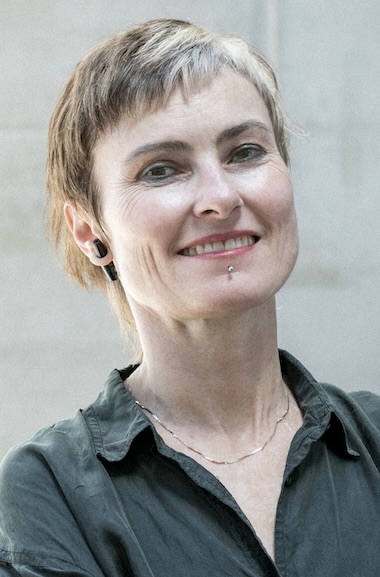
Fiona Kelly McGregor
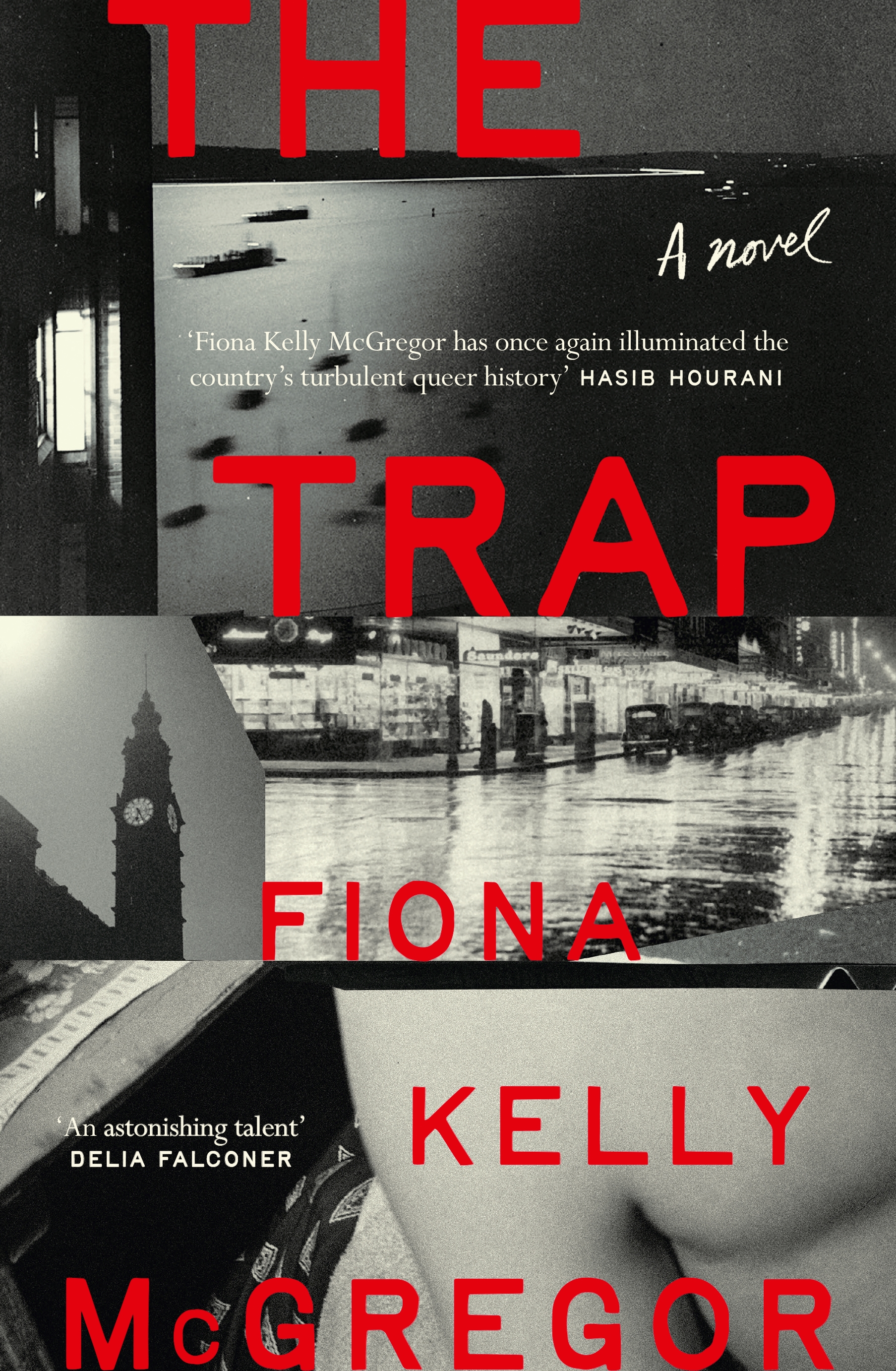
The Sydney-based author of the award-winning 2010 classic Indelible Ink, Fiona’s recent works Iris (2022) and The Trap (2026) emerged at the same time as the NSW gay-hate crime inquiry examined several historical deaths. Such analysis was necessarily sterile, but Fiona’s novels, particularly The Trap, put the mysteries of queer life before decriminalisation into visceral focus. Wartime Sydney, 1942. In the half-light of brownouts, the city’s queers are prone to a nexus of ambitious police, toothless reporters and corrupt legal eagles. The novel follows the fortunes of black, queer nightclub manager Ray Sayles, entrapped by cops in a cruel sting that runs right to the very top of the force, the media and the judiciary. The raw blend of history and sexual politics makes this startlingly familiar.
Hayley Scrivenor
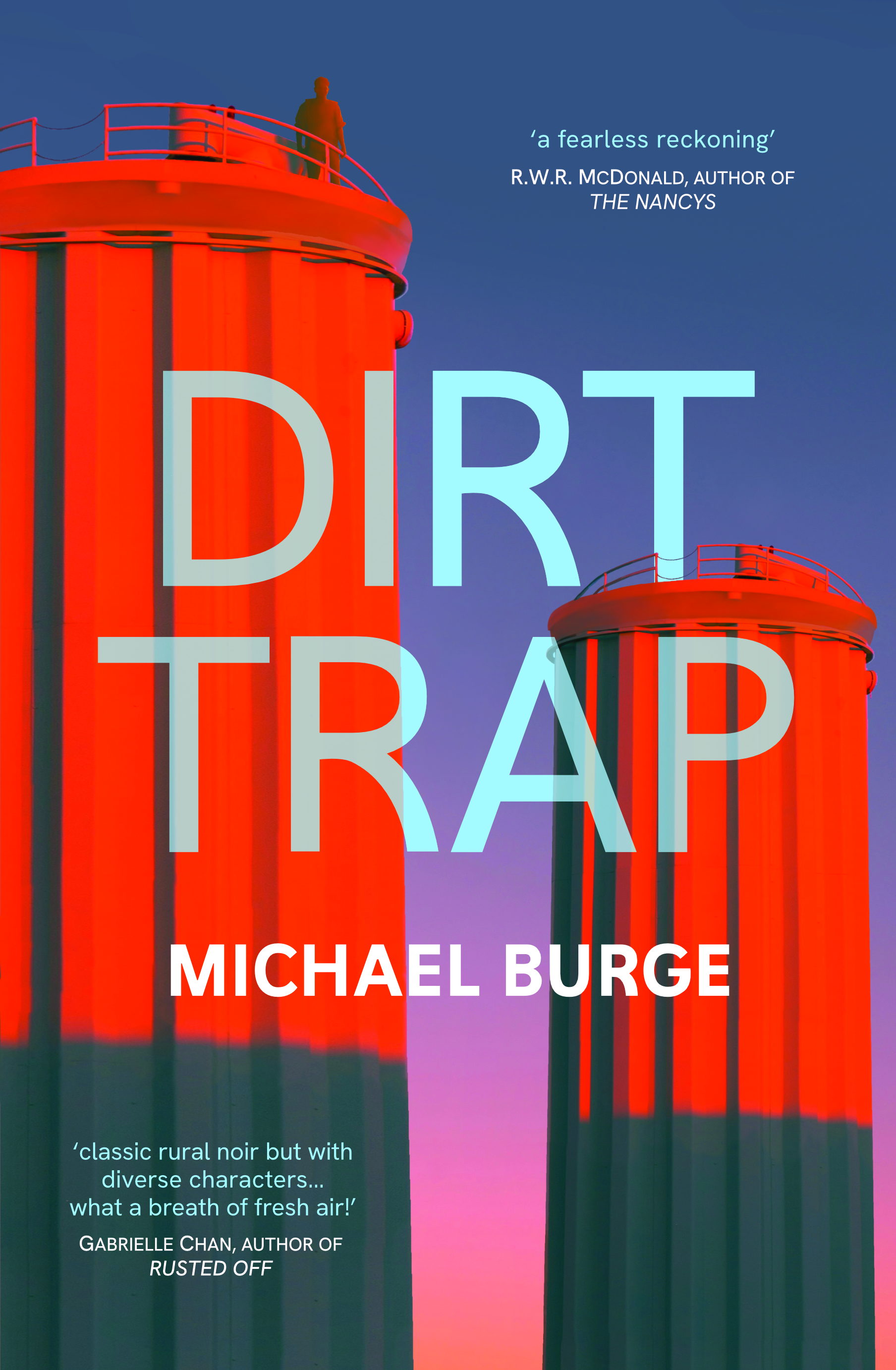
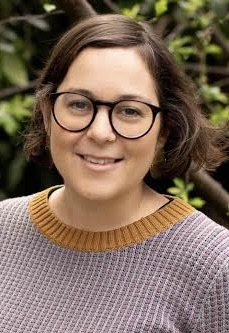
Australian rural noir got a thorough and timely stirring up with the release of Hayley’s debut Dirt Town (2022). This novel examines crimes against young people through their own eyes, and topped Australia’s bestseller lists, won the British Crime Writers’ Association New Blood Dagger award, the Lambda Literary Award for LGBTQ+ Mystery and the ABIA for General Fiction Book of the Year. Hayley’s second novel, Girl Falling (2024), was the people’s choice Danger Award in 2025. Both stories are explorations of the complex tensions that underpin queerness in regional communities – particularly around coming out, grief and trauma – in a way that only someone LGBT born in the bush could. While Hayley now lives in the Illawarra, she hails from a small country town.
Georgia Harper
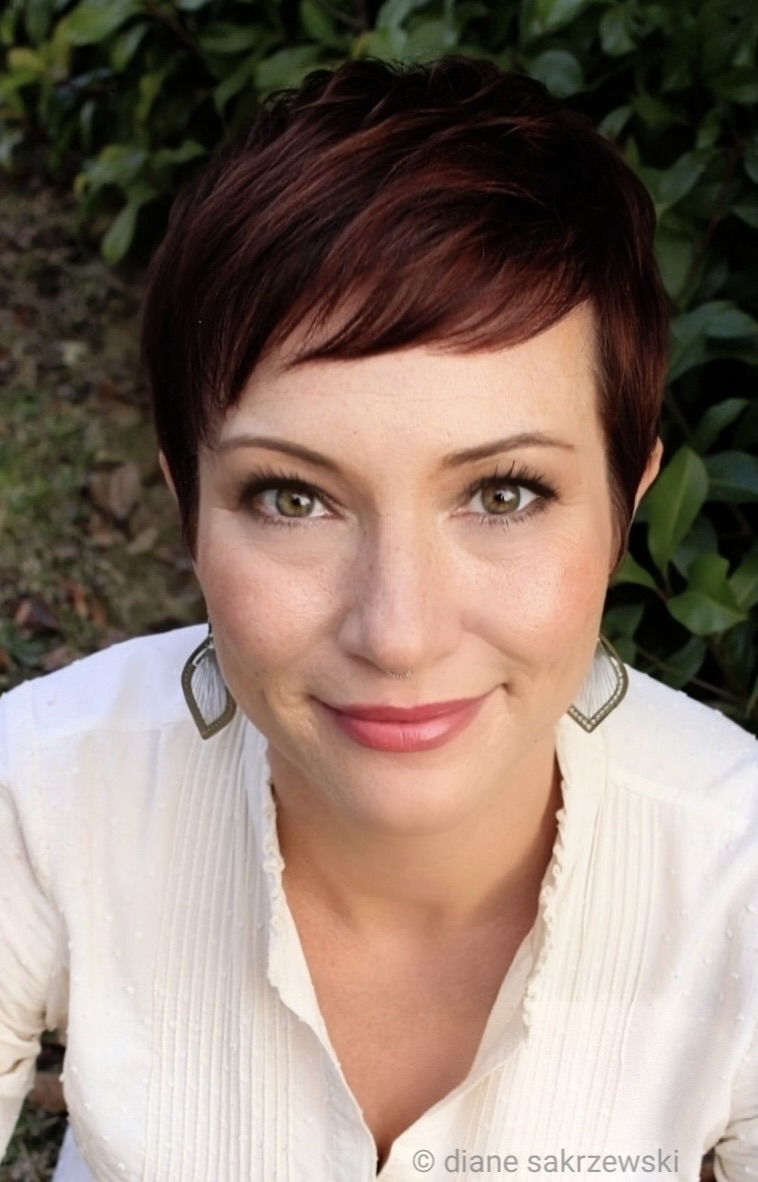
Across two novels, Sunshine Coast-based Georgia has posed enormous moral questions that send seismic rumblings through the communities she portrays. Her debut What I Would Do to You imagines a world in which victim-survivors get to decide the punishment for the perpetrators of heinous crimes, explored through the tensions of a rural family coming to terms with the meaning of justice. It won the 2025 Davitt Award debut and was shortlisted for the 2025 Danger Awards. This was followed by Dove (2026) which asks how women and girls might navigate safety if there were no men for a day. The rich, moral-bending seam of Georgia’s writing stems from her experience as a psychologist working with serious violent offenders, resulting in fiction that walks between retribution and understanding.
Troy Hunter
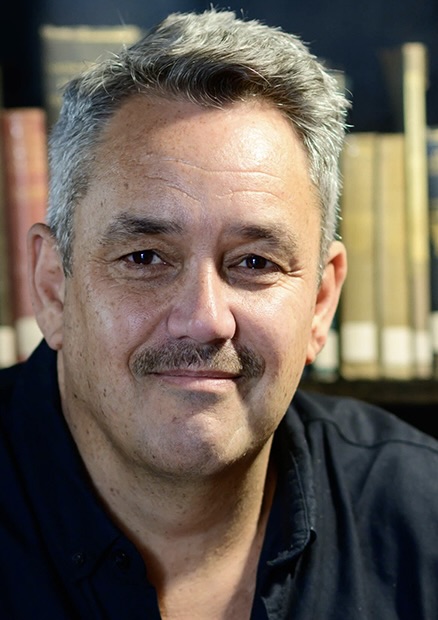
A self-confessed Agatha Christie obsessive, Troy is the Melbourne-based author of a young adult crime series that started with his 2024 debut Gus and the Missing Boy. After he sees an identikit of a missing kid who looks just like him, suburban teen Gus starts connecting the dots about family secrets. His besties Shell and Kane join him on the sleuthing trail, rarely taking themselves seriously while they unravel big questions about Gus’s origins and their own complex futures. Troy’s ‘ugly’ duckling story remodels changeling myths by blending fairytale fears with cosy Christie DNA as he queers things up into a missing-person mystery like no other. The cycle continues with Gus and the Burning Stones (2025) and the upcoming Gus and the Climate Criminal (2027).
The good news is that you’re joining us, you just haven’t booked yet!
Plots With Pride: Queering the past and present in crime fiction, BAD Sydney Crime Writers Festival, November 20-21 at the State Library of NSW